
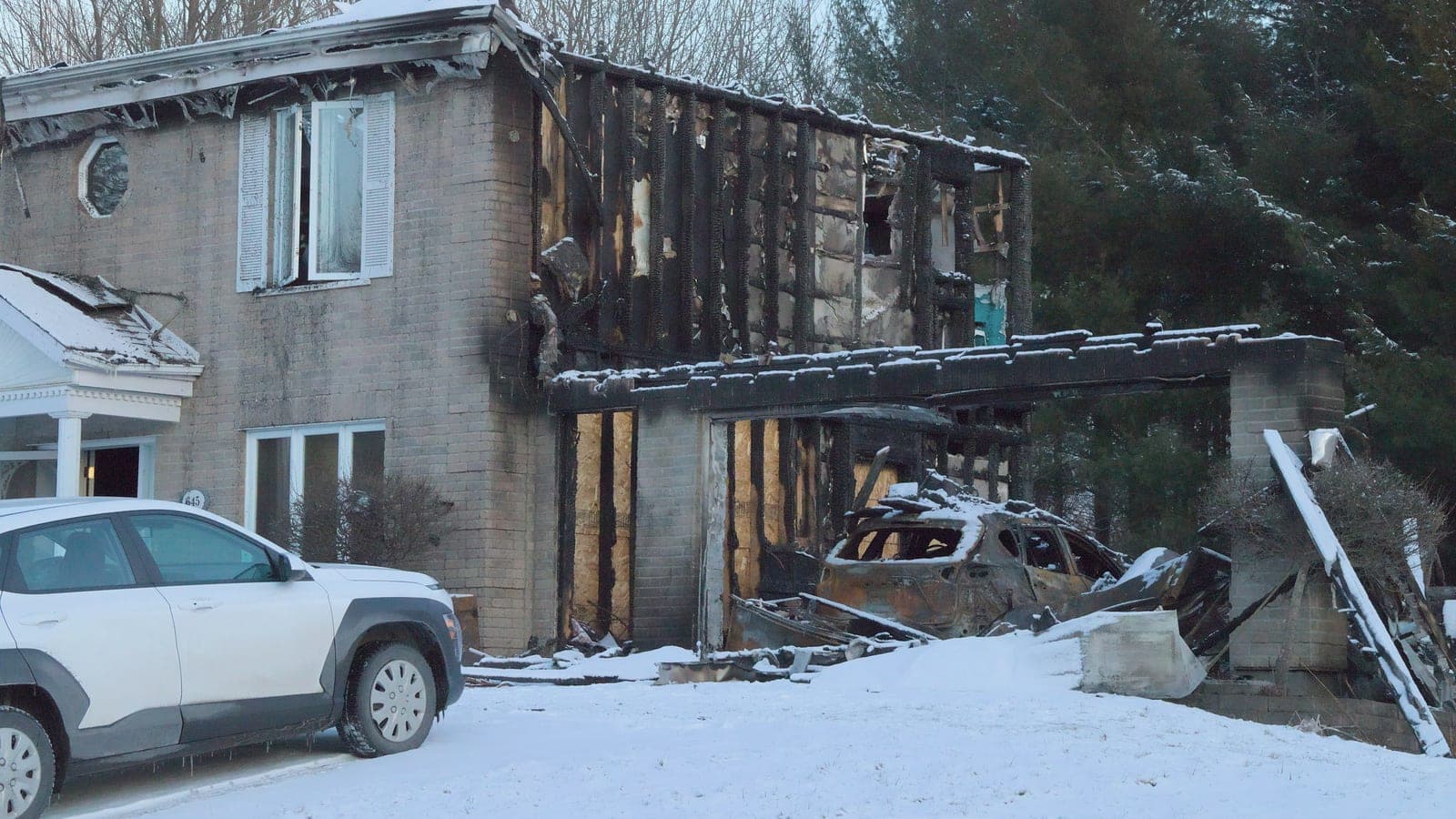
A serious fire does more than damage property. It can erase a sense of security, displace a family, interrupt a business, and leave behind losses that continue long after the flames are gone. The visible destruction is often only part of the story. Smoke, soot, water, structural damage, and destroyed contents can dramatically increase the true cost of the loss.
Margossian Law represents property owners dealing with the aftermath of fire damage and works to make sure the entire claim is taken seriously. We focus on documenting the full extent of the damage, challenging undervalued claims, and pursuing the insurance benefits available under the policy.
Common Fire Damage Claims
- Damage to homes, rental properties, and multi-unit residences
- Fire-related losses affecting offices, stores, and other commercial spaces
- Destroyed or damaged furniture, electronics, clothing, and other belongings
- Loss of business equipment, inventory, and operational property
- Structural repairs involving framing, walls, roofing, and interior finishes
- Smoke and soot contamination throughout the property
- Water and moisture damage resulting from fire suppression efforts
The Claim Is Rarely Only What Burned
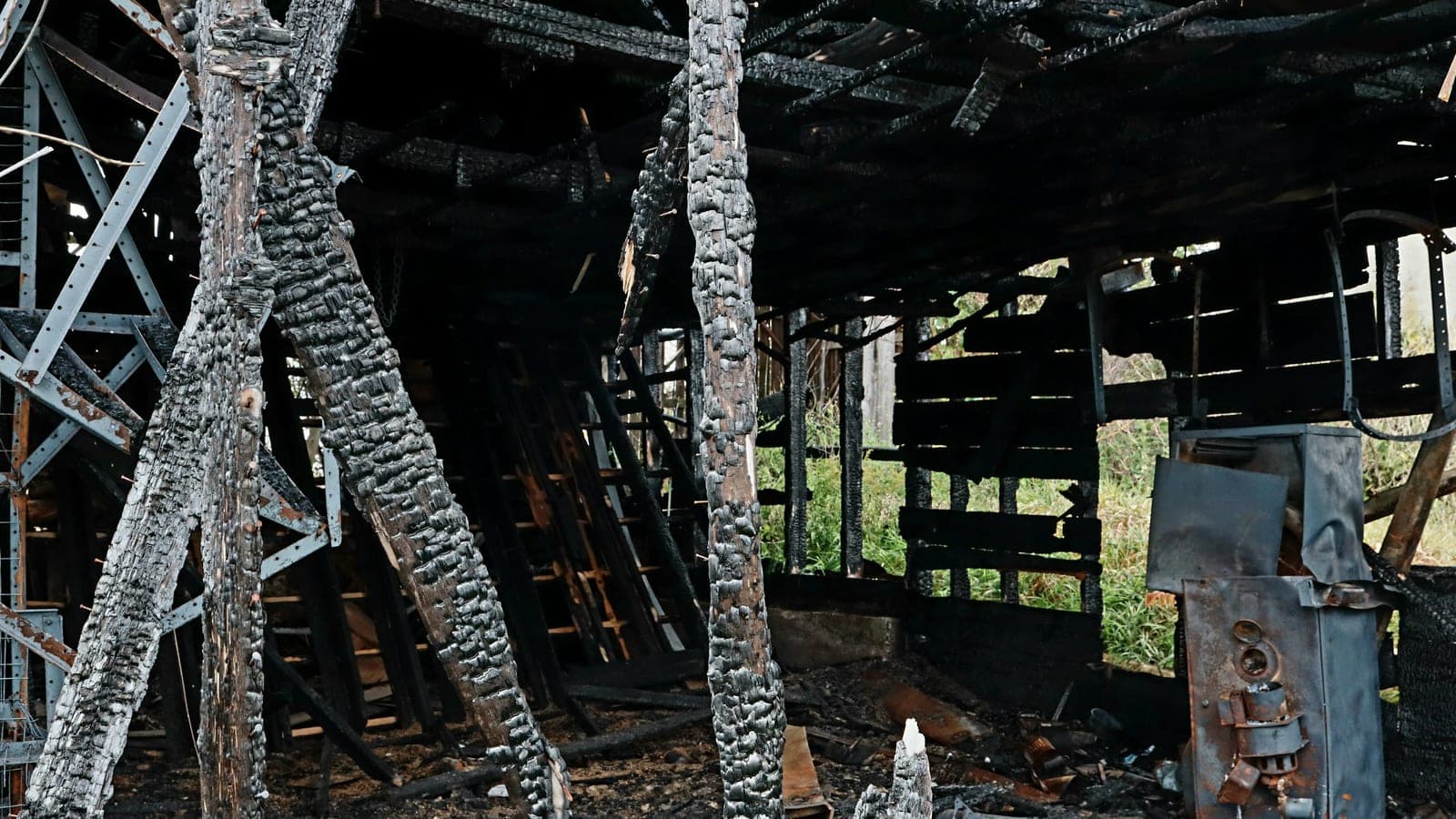
A fire loss arrives as several claims wearing one name. There is the structure. There is smoke and soot, which travels through a building and settles in places the flames never reached. There is water and the damage the fire service necessarily caused putting the fire out. There are the contents, which have to be inventoried item by item. And there is the cost of living somewhere else until the property is habitable again.
Each of those is valued differently and disputed differently, and an offer that looks reasonable against the burned rooms can be far short once the rest is counted properly.
The Contents Inventory
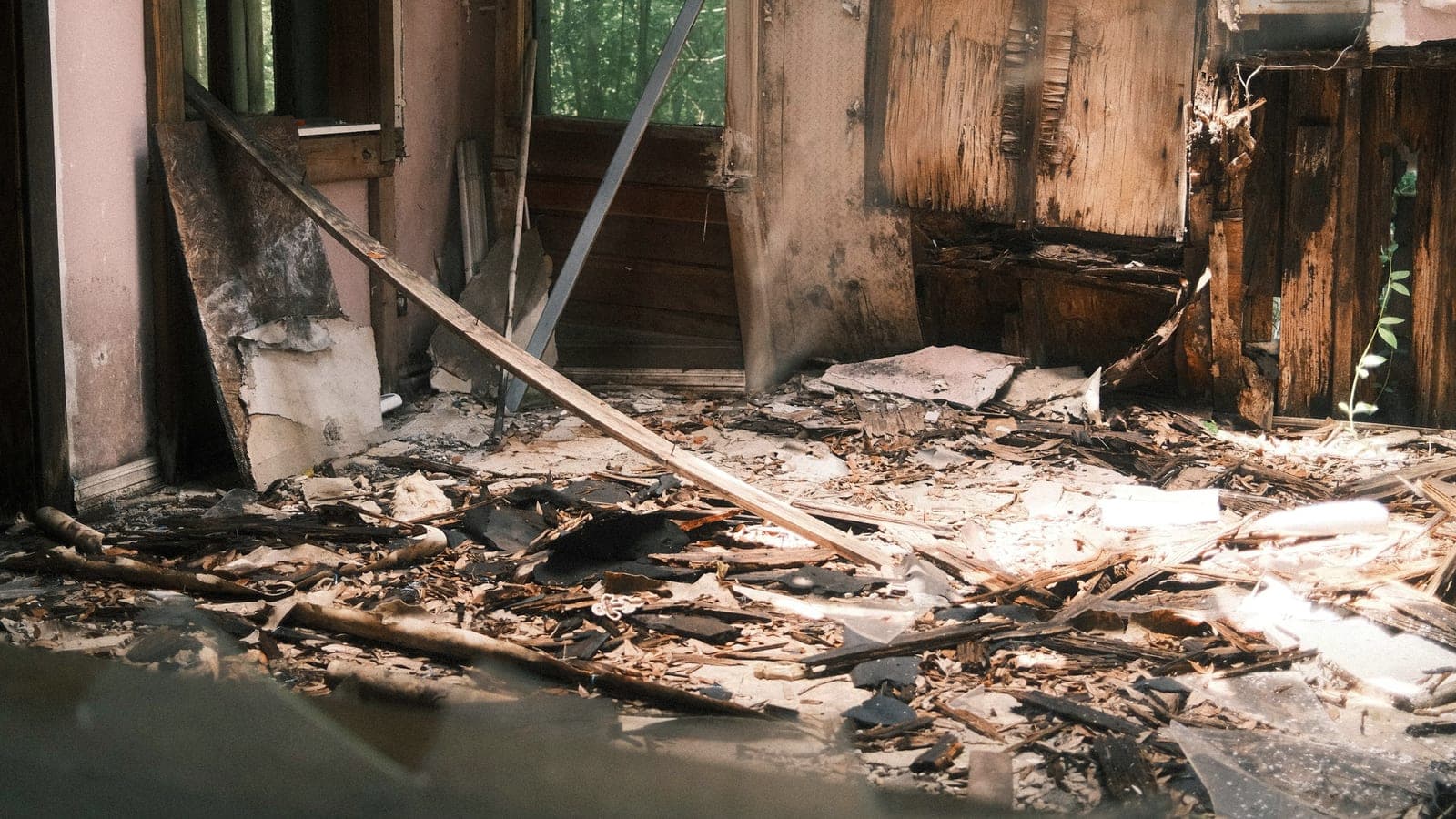
Personal property after a serious fire has to be documented item by item, often thousands of entries, each with an age, a description, and a replacement cost. It is a demanding task at the worst possible moment, and how it is completed materially affects what is recovered.
Insurers commonly apply steep depreciation to contents and pay actual cash value first, releasing the balance only as items are actually replaced. Understanding that structure before submitting the inventory matters more than it sounds, because the schedule you file sets the ceiling on the claim.
What Is Commonly Left Out of the First Offer
- Smoke and soot contamination in wall cavities, insulation, and ductwork
- Water and moisture damage from fire suppression
- Building code upgrades required to rebuild lawfully, where the policy covers them
- Debris removal and site protection
- Extended replacement cost, where the rebuild exceeds the stated dwelling limit
- Additional living expenses for the real length of a permit-and-build timeline
Claims Against Parties Other Than Your Insurer
Where a fire started with utility equipment, an appliance, a contractor, or a neighboring property, a separate claim may exist against that party independently of the insurance claim. Those follow different deadlines and a different process, and pursuing one does not preclude the other, though how any recovery interacts with what your insurer has already paid needs handling deliberately.