
Water damage can spread quickly, affecting walls, floors, foundations, personal property, and other parts of a home or business. When an insurance company questions coverage, minimizes the damage, or fails to properly value the claim, Margossian Law helps policyholders enforce the coverage they paid for and pursue the benefits available under their policy.
Common Water Damage Claims
- Broken or leaking pipes and plumbing systems
- Slab leaks and water intrusion
- Failed water heaters and household appliances
- Roof leaks caused by storms or other covered events
- Water damage connected to fire suppression efforts
Sudden Versus Gradual, and Why the Label Decides the Claim
The characterization is often genuinely arguable. A pipe that failed abruptly may have been corroding for years; a supply line that burst overnight may have been weeping slowly beforehand. Insurers resolve that ambiguity in their own favor by default.
What answers it is evidence rather than argument: the failed component itself, the pattern and moisture content of the damage, plumbing history, and where necessary a forensic opinion on the mode of failure. This is the single strongest reason not to discard the failed pipe or fitting.
Preserve the Evidence Before Remediation Begins
Remediation contractors work fast, and demolition destroys the proof of how the failure happened. Before work starts:
- Keep the failed pipe, fitting, hose, or appliance component. This is the most important single item in the claim
- Photograph and video the damage before any material is removed, including inside cabinets and under flooring
- Photograph moisture readings and any equipment placed by the remediation company
- Keep the remediation company’s own moisture logs and scope of work
- Record the date and time you discovered the leak, and what you did next
Mold Following a Covered Water Loss
Mold coverage is often excluded or subject to significant policy limits. When mold develops as a result of a covered sudden and accidental water loss, however, coverage may still be available depending on the policy. The relationship between the underlying water damage and any mold limitation or exclusion should be examined carefully.
Delay can make these claims more difficult. Moisture can allow mold to spread, and evidence of a leak occurring over an extended period may create additional coverage issues. Promptly documenting and addressing the source of the water is important.
What Is Commonly Left Out of the Payment
- Damage inside wall cavities and under flooring that was never inspected
- Matching, meaning replacing only the damaged portion of a continuous floor or run of cabinetry, leaving a visible mismatch
- Code upgrades required to complete the repair legally
- Loss of use or lost rental income while the property is uninhabitable
- The depreciation holdback, which is often recoverable once repairs are complete
Flood Is Not Water Damage
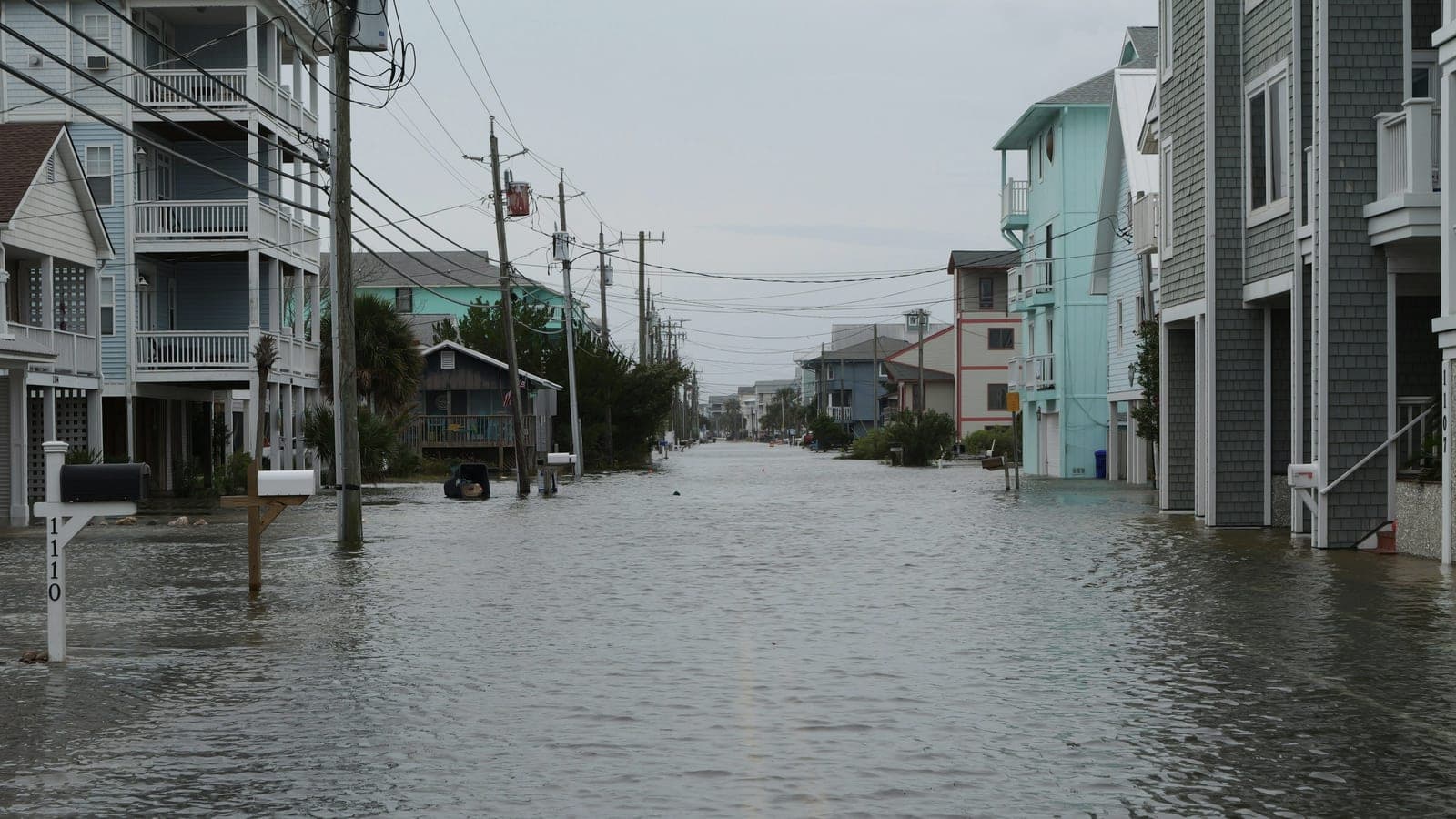
Standard homeowners insurance generally does not cover flood damage. Flood coverage is typically purchased separately through the National Flood Insurance Program or a private flood insurance policy. Rising surface water, overflow of inland or tidal waters, and certain mudflows may fall within the definition of a flood.
Not every storm-related water loss is a flood, however. For example, if wind damages a roof and rain enters through the resulting opening, the resulting water damage may be covered under the homeowners policy. When multiple causes contribute to a loss, the specific cause of the damage and the language of each applicable policy must be carefully evaluated.