


Powerful winds and severe storms can tear apart roofs, drive rain into a structure, shatter windows, bring down trees, and leave a property vulnerable to even greater damage. Unfortunately, the fight often begins after the storm passes, when an insurance carrier attempts to blame clear storm damage on wear and tear, poor maintenance, or pre-existing conditions.
Margossian Law represents property owners in wind and storm damage claims and works to make sure the true cause and full extent of the loss are recognized. We challenge improper claim classifications, document storm-related damage, and pursue the full insurance benefits available under the policy.
Common Wind & Storm Damage Claims
- High wind and Santa Ana wind damage
- Roof uplift, tear-off, and wind-driven rain
- Hail damage to roofs, siding, windows, and exterior surfaces
- Window, door, wall, and storefront damage
- Fallen trees, debris, and projectile impact
- Damage to outdoor structures and property
- Disputes involving wear and tear or pre-existing damage
- Storm-related deductible disputes
- Water intrusion caused by wind damage
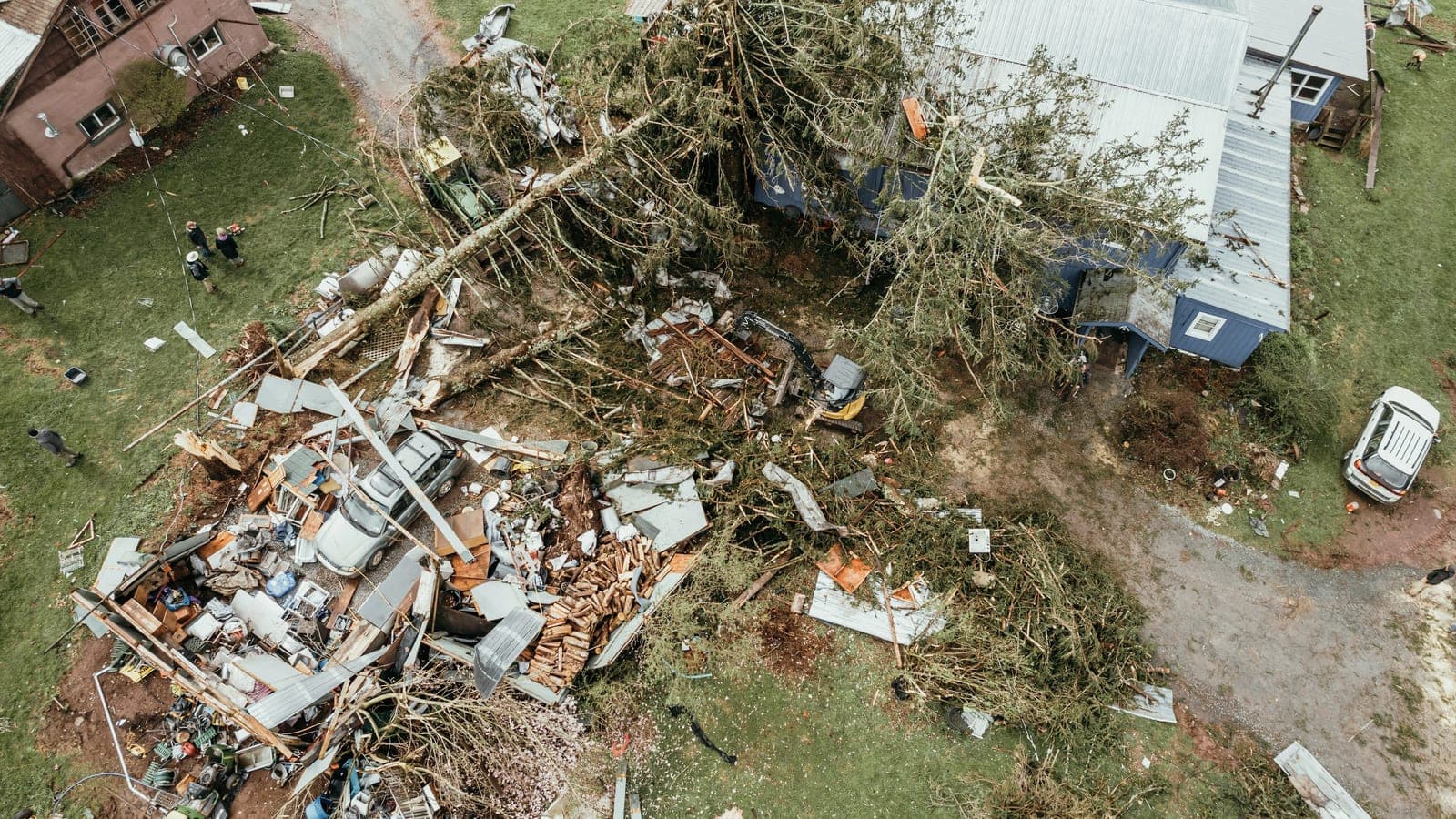
Wear and Tear Is the Argument You Will Meet
Storm claims are denied and reduced on causation rather than on coverage. The policy plainly covers wind; what the insurer disputes is that wind is what did this. The damage becomes age, poor maintenance, prior repairs, or a manufacturing defect, all of which are excluded, and none of which requires disproving the storm.
It is answered with a record rather than an argument: weather data for the date of loss, the pattern and directionality of the damage, comparison against undamaged elevations of the same building, and where necessary a roofing or engineering assessment of the failure mode.
Wind-Driven Rain and the Order of Events
Many policies exclude water intrusion generally but cover it where wind first created the opening. That makes sequence decisive: if the wind removed part of the roof and rain then entered, the water damage is commonly covered as part of the wind loss.
Which is why the first photographs matter more than the tenth. Documenting the opening before the emergency tarp goes on establishes the order of events that the rest of the claim depends on.
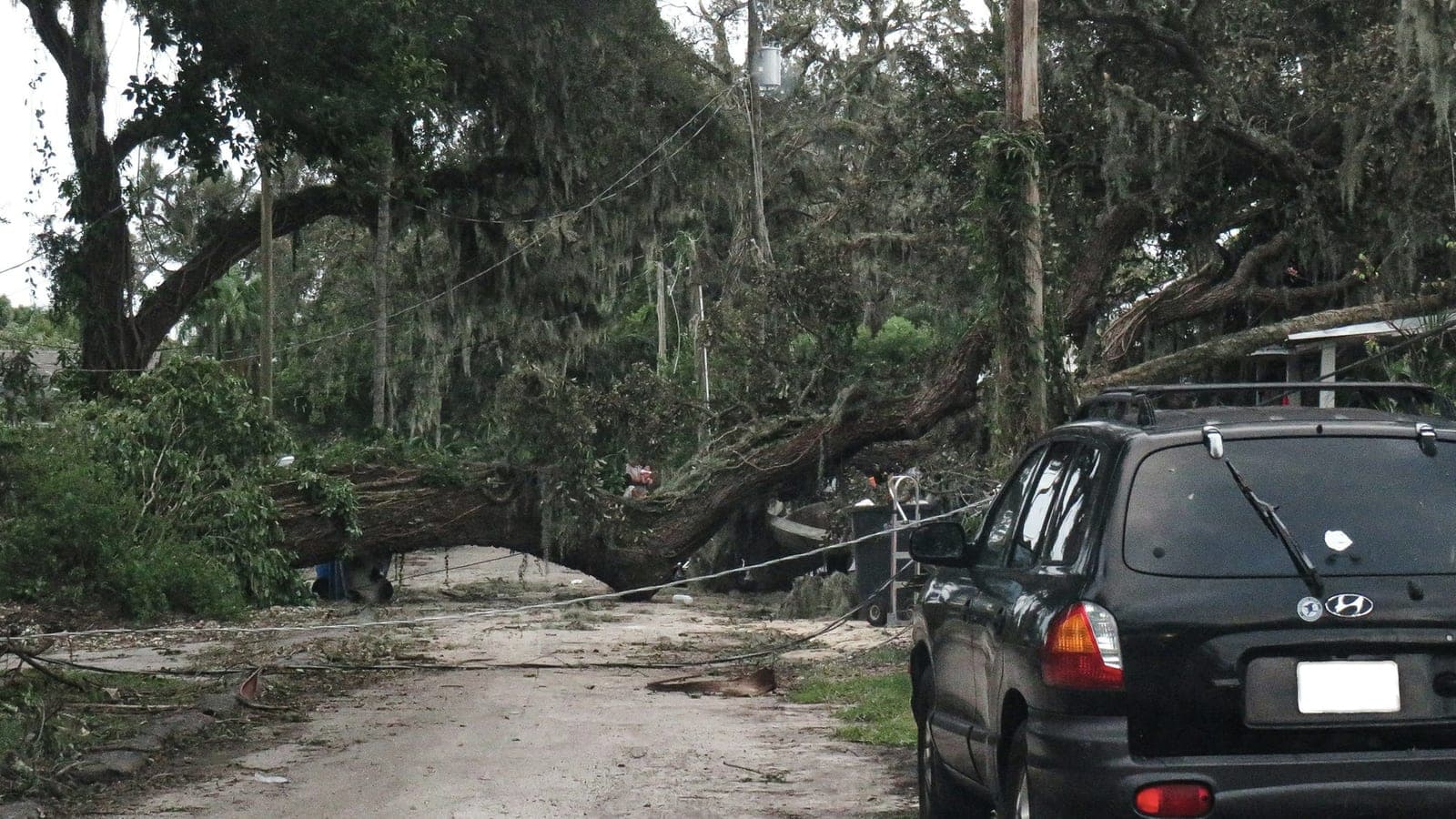
Temporary Repairs Are Expected, and Recoverable
Almost every policy requires you to take reasonable steps to prevent further damage after a loss, and failing to do it can reduce a claim. That work costs money for tarping, board-up, water extraction, and emergency drying, and most policies provide for reasonable emergency measures of that kind, subject to their own terms. Keep the invoices and photograph the condition before the work starts.
Photograph thoroughly before any of it happens, keep every receipt, and do not authorize permanent repairs until the scope has been agreed.