

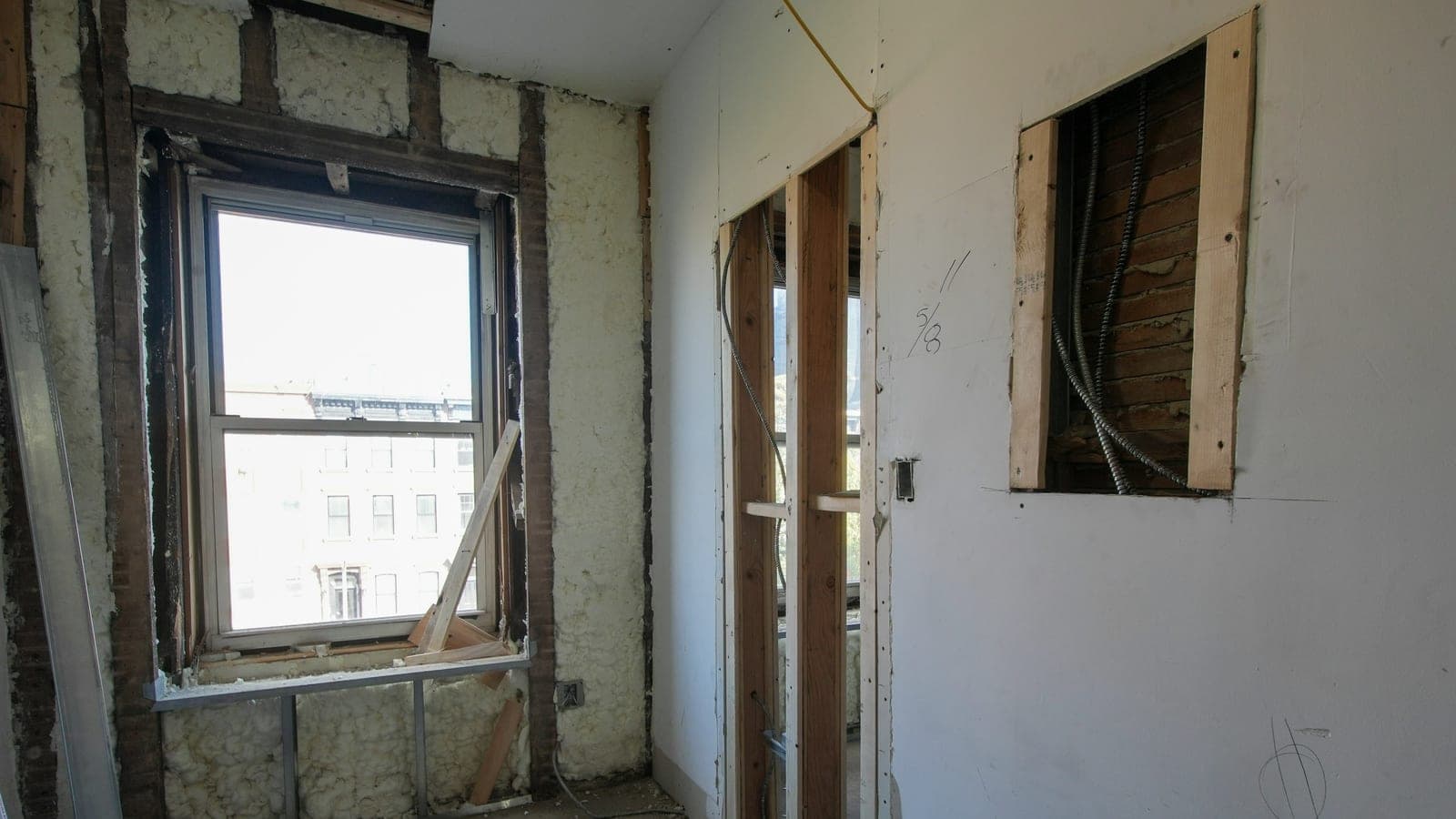
Mold can turn a property damage problem into something far more serious. Once moisture enters a home or business, mold can spread behind walls, beneath flooring, through insulation, and into areas that are not immediately visible. By the time the full extent of the damage is discovered, the cost of remediation, repairs, and replacement can be substantial.
Margossian Law represents property owners facing mold-related insurance claims and works to ensure the underlying cause, extent of contamination, and resulting damage are properly documented and presented to the insurance carrier. When coverage is disputed or the loss is undervalued, we work to protect the policyholder’s rights and pursue the benefits available under the policy.
Common Mold Damage Claims
- Mold growth following water intrusion or plumbing failures
- Hidden mold behind walls, ceilings, and flooring
- Damage to drywall, insulation, flooring, and structural materials
- Contaminated furniture, clothing, and personal property
- Remediation, demolition, and reconstruction costs
- Loss of use and temporary relocation expenses
- Business interruption and related losses
Cover Usually Turns on What Caused the Water
How mold is treated depends on the policy in front of you rather than on a general rule. Many policies address it as a consequence of something else: mold following a sudden covered water loss may be covered, often subject to a specific sub-limit, while mold traced to long-term seepage, humidity, or deferred maintenance is often excluded. The wording that decides it, meaning the exclusions, any resulting-loss language, and the sub-limit, is in the policy, and the cause of the water is what the argument is usually about.
That makes the underlying cause the whole argument. Reassigning it to something excluded is the most common way these claims are reduced, and it is answered with evidence rather than assertion: moisture mapping, the timeline of the intrusion, the condition of the failed component, and where necessary an expert opinion on how the water actually got in.
The Sub-Limit Is Often the Real Dispute
Many California policies cap mold remediation at a figure set years ago and never revisited, commonly a small fraction of what a full remediation and reconstruction actually costs today. Policyholders discover this only when the claim is being adjusted.
A sub-limit does not necessarily cap everything. The distinction between remediation cost and the cost of repairing the underlying water damage matters, as does whether reconstruction, contents, and loss of use are inside or outside the cap. Those are questions of policy language rather than of adjuster discretion.
Remediation Can Change the Evidence
Mold and water damage often require quick action, but cleanup can also remove evidence. Once materials are repaired or discarded, it may be harder to show the extent and source of the damage.
Condition Before Remediation
Photographs and video can preserve how the affected areas appeared before cleanup or repairs begin.
Source of the Damage
Documentation of the leak, failed component, or other source can become important when coverage or cause is disputed.
Removed Materials and Components
Damaged materials, samples, or failed parts may have evidentiary value after they are removed from the property.
Remediation and Loss Records
Moisture readings, reports, invoices, and related records can help establish the scope of the damage and the cost of addressing it.
Early review can help identify what should be documented or preserved before remediation changes the condition of the property.