

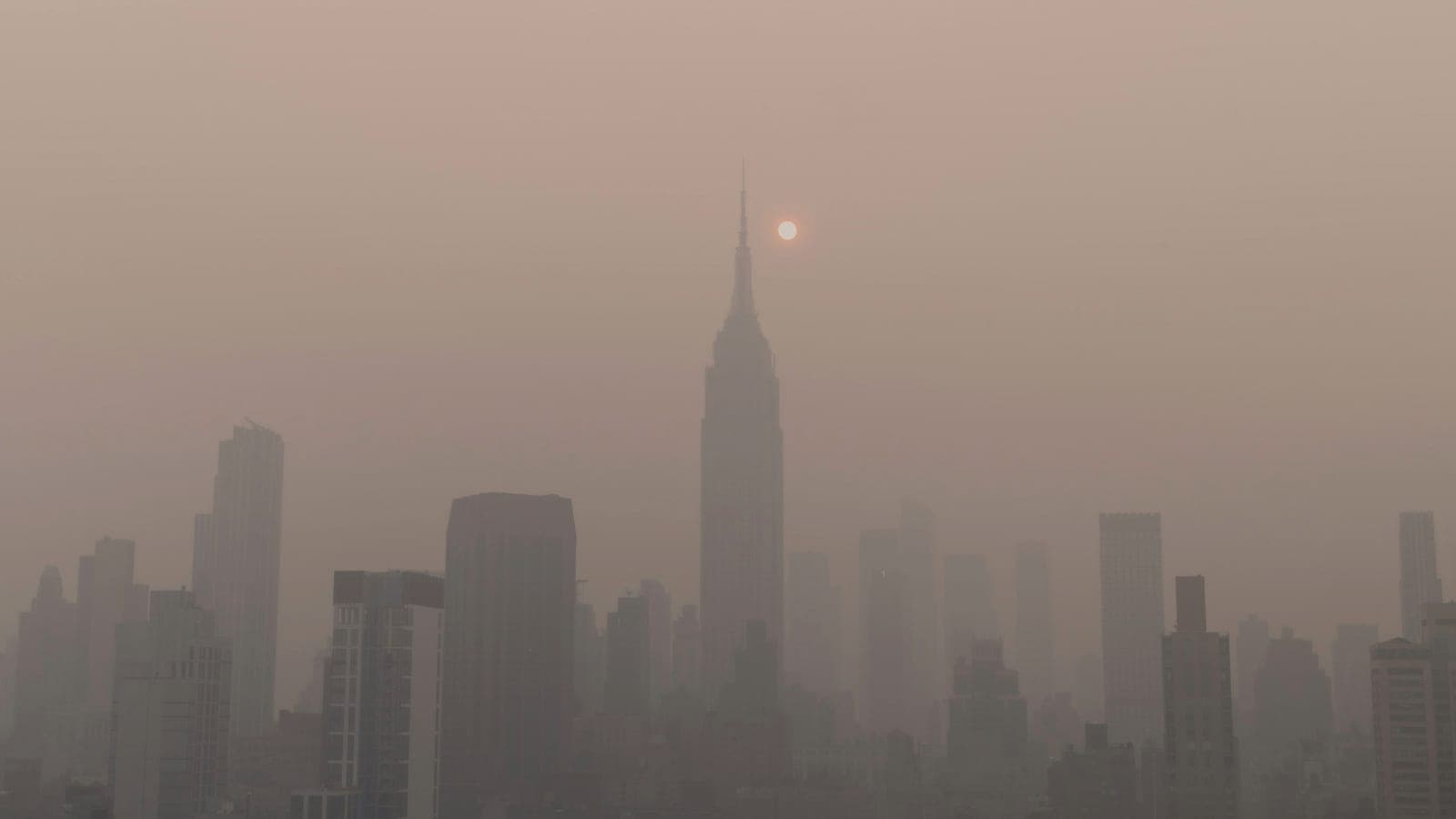
Smoke, soot, and ash can leave behind extensive damage even when flames never directly reach the property. These contaminants can travel through ventilation systems, settle into walls and insulation, coat interior surfaces, and damage belongings throughout a home or business.
Margossian Law helps property owners identify and document these less obvious losses so the claim reflects the true extent of the damage, not just what can be seen at first glance.
Common Smoke, Soot & Ash Damage Claims
- Contamination of walls, ceilings, and interior finishes
- Damage to HVAC systems, vents, and ductwork
- Cleaning or replacement of furniture and personal belongings
- Ash and soot buildup in concealed areas and insulation
- Damage to pools, spas, and related equipment
- Losses affecting business operations or income
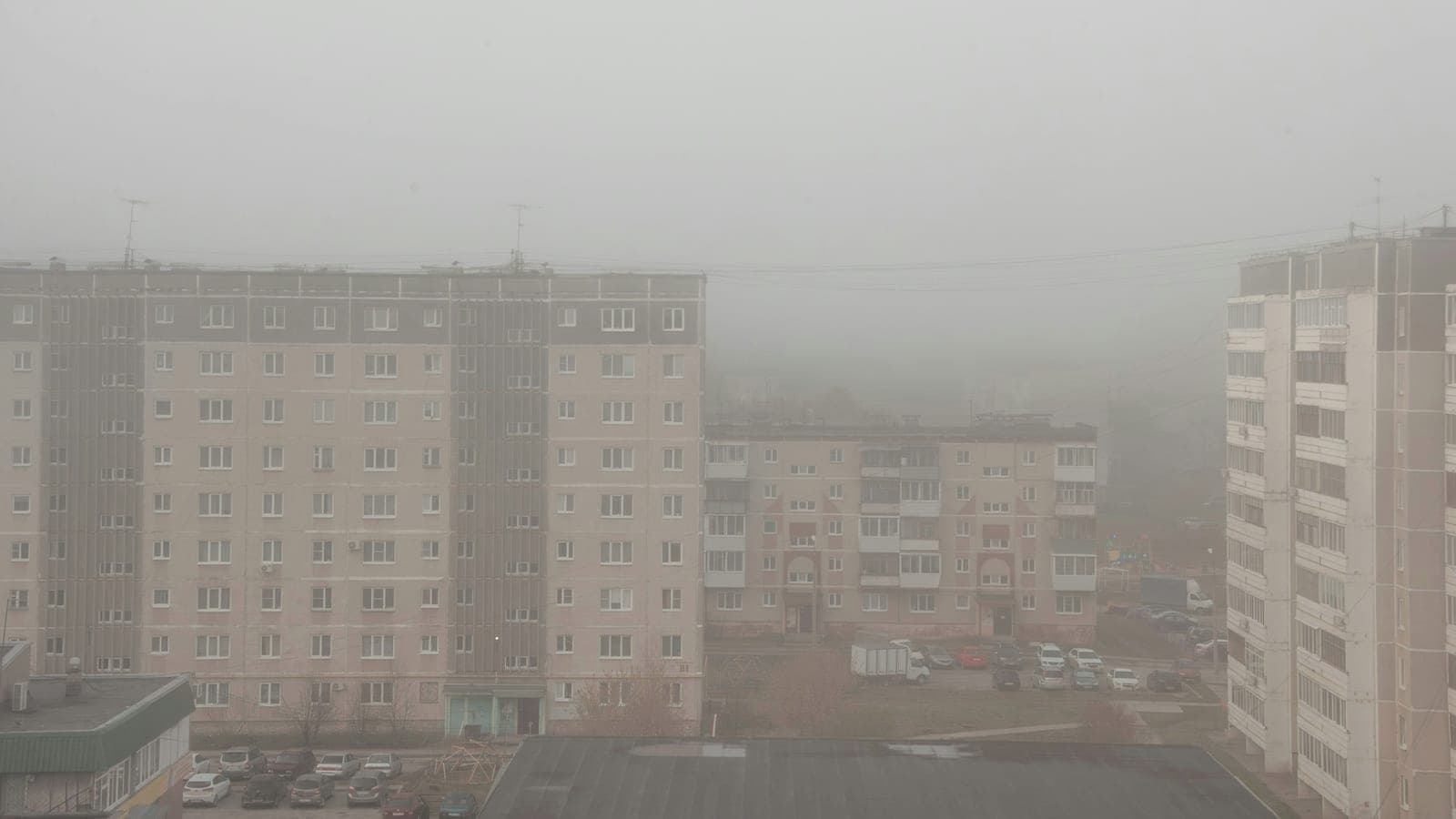
Contamination Is Not a Cleaning Problem
Where a structure survives, insurers routinely scope the claim as surface cleaning. Combustion produces fine particulate and chemical residues that behave nothing like dust: they are carried by air movement into wall cavities, insulation, ductwork, soft furnishings, and every porous surface in the building, and they continue to off-gas long after the visible soot is wiped away.
Establishing the real scope takes industrial hygienist testing rather than a visual inspection. A field adjuster reporting that the walls look fine is not a substitute for sampling, and the difference between those two scopes is frequently the difference between a token payment and the cost of restoring the property.
What Testing Is Actually Looking For
- Char, soot, and ash particles identified by laboratory analysis rather than by eye
- Distribution through the HVAC system, which spreads contamination to rooms the fire never reached
- Residue in wall and ceiling cavities, insulation, and beneath flooring
- Absorption into textiles, upholstery, clothing, books, and stored belongings
- Corrosive residues attacking electronics, wiring, and metal fixtures over time
- Air quality readings taken before and after any remediation attempt
Where These Claims Break Down
A denial letter is the visible failure. Most property claims are lost more quietly than that, in decisions that look technical at the time.
What the insurer does
- Writes the scope of loss around visible damage only
- Applies depreciation aggressively to reach actual cash value
- Reassigns the cause to something the policy excludes
- Cuts off additional living expenses while the property is unusable
- Requests the same documents repeatedly until the claim stalls
What answers it
- An independent scope covering concealed as well as visible damage
- Testing and expert opinion on cause, not an adjuster’s impression
- The full policy including every endorsement, not the declarations page
- A written record of every request, response, and delay
- Photographs and samples taken before remediation begins