
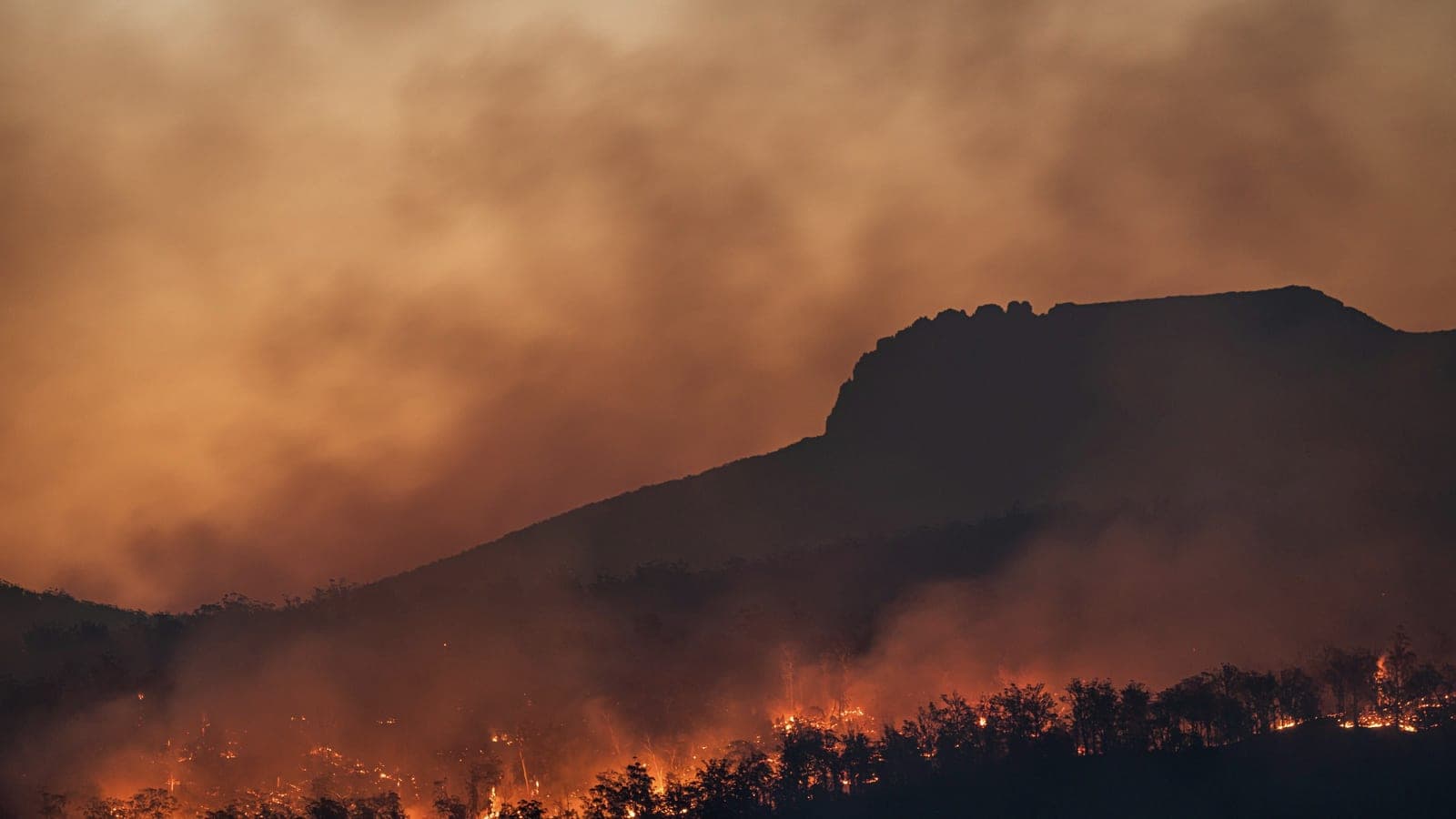
Wildfires can leave behind far more than what is immediately visible. Even when a structure remains standing, smoke, ash, soot, heat, water, and hazardous materials can create serious and costly damage throughout a property.
Margossian Law represents policyholders seeking full recovery for wildfire-related losses. We work to identify the complete scope of the damage, challenge efforts to minimize the claim, and pursue the insurance benefits available under the policy.
Common Wildfire Damage Claims
- Damage to roofs, walls, framing, and other structural components
- Contamination affecting interiors, furnishings, and personal property
- Water intrusion and moisture damage following fire suppression
- Air quality and ventilation issues caused by smoke and debris
- Cleanup and remediation involving hazardous materials
- Lost income, interrupted operations, and other business-related losses
Smoke and Ash Are a Loss, Not a Cleaning Problem
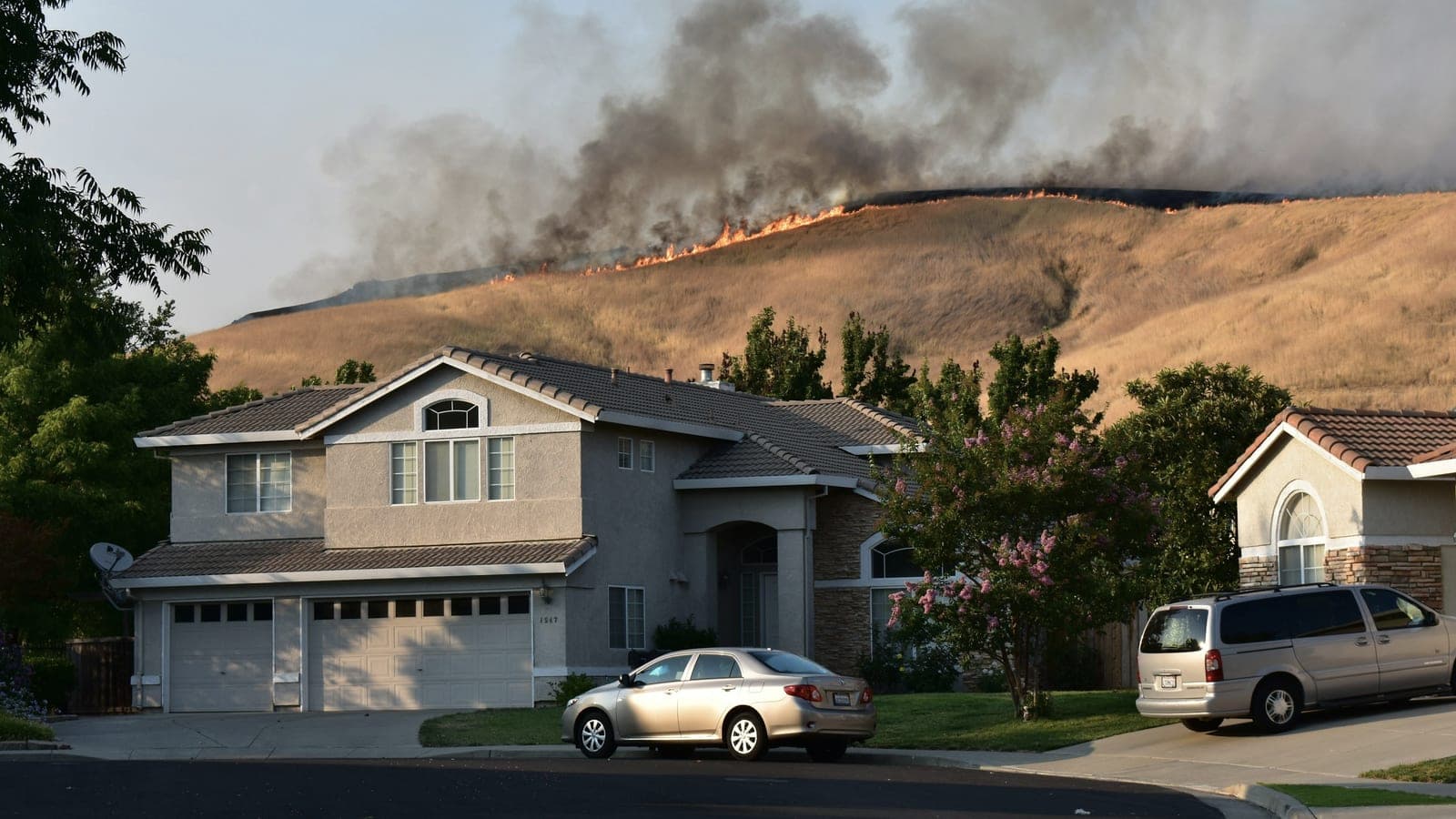
Where a structure survives, insurers frequently scope the claim as surface cleaning. Wildfire smoke behaves differently from a contained structure fire: combustion of vegetation, vehicles, and building materials produces fine particulate and chemical residues that penetrate insulation, HVAC systems, wall cavities, soft furnishings, and porous surfaces.
Establishing the true scope typically requires industrial hygienist testing rather than a visual inspection. A field adjuster reporting that the walls look fine is not a substitute for sampling, and the difference between the two scopes is frequently the difference between a token payment and the cost of actually restoring the property.
The Contents Inventory
Personal property claims after a total loss require an itemized inventory, often thousands of items, each with an age, a description, and a replacement cost. It is a demanding task at the worst possible time, and the way it is completed materially affects what is recovered.
Insurers frequently apply steep depreciation to contents and pay actual cash value first, with the balance released only as items are actually replaced. Understanding that structure before submitting the inventory matters more than it sounds.
Additional Living Expenses
Coverage for the cost of living elsewhere while the property is uninhabitable is often the most immediately important part of the policy, and one of the most commonly disputed. Insurers cut ALE off on the basis that the property is habitable, or that the reasonable time to rebuild has elapsed, while permitting and construction timelines say otherwise.
California law extends ALE periods following a state of emergency, and further extensions are available where the delay is outside the policyholder’s control, a common situation given post-disaster permitting and contractor availability.
Claims Against Parties Other Than Your Insurer
Where a fire was started by utility equipment, a contractor, or another third party, a separate claim may exist against that party independently of your insurance claim. Those claims follow different deadlines and a different process, and pursuing one does not preclude the other, though how any recovery interacts with what your insurer has paid needs to be handled deliberately.