

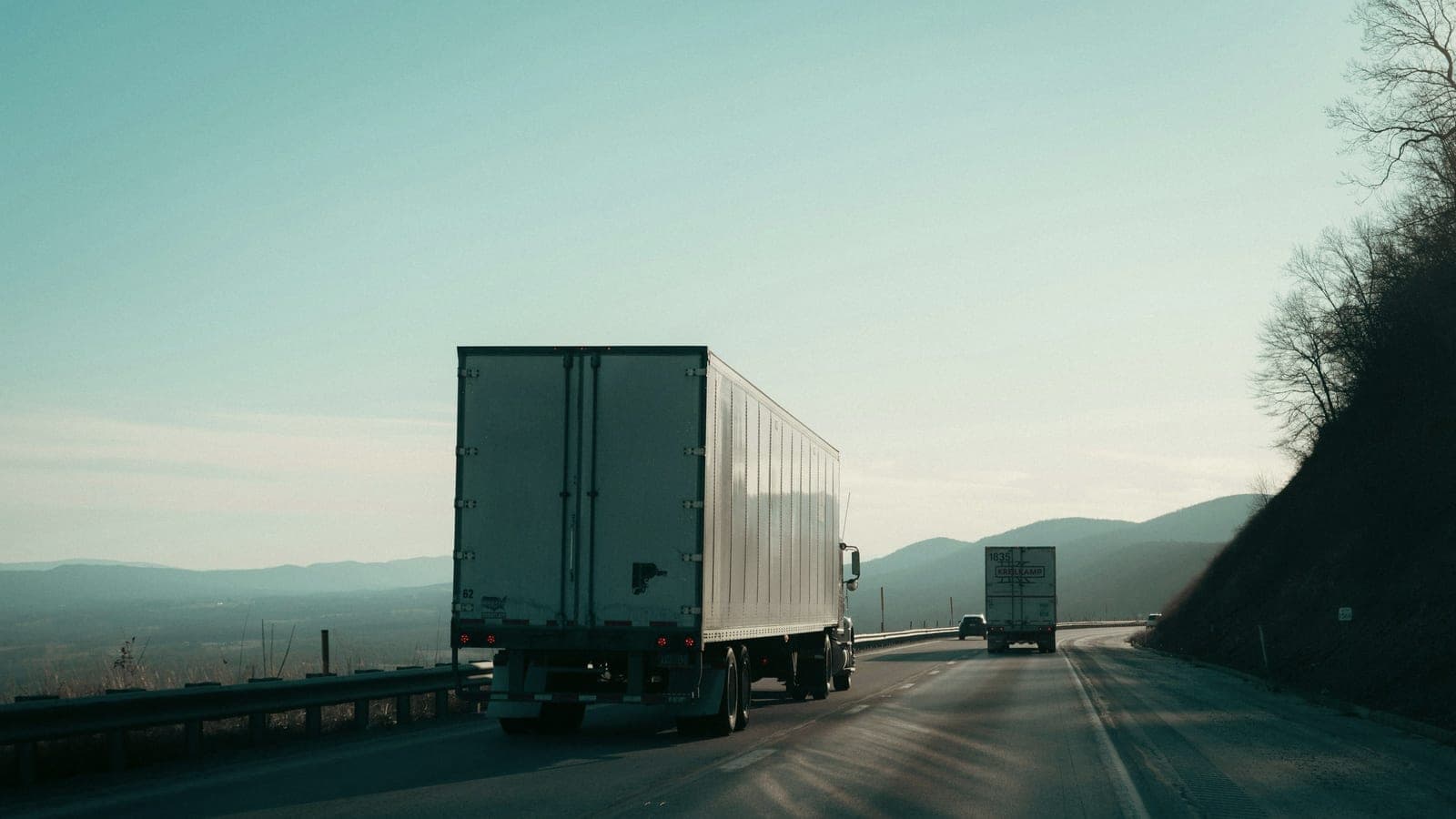
A collision with a commercial truck is not a car accident with a larger vehicle in it. A motor carrier operates under federal and state rules a private driver does not, generates records a private driver does not, and keeps many of those records on retention schedules measured in months.
That changes what the early weeks of a claim are for. Margossian Law represents people injured in truck collisions in California, whether they were in another vehicle, riding as a passenger, walking, or working on the road.
Why a Truck Claim Is Not a Larger Car Claim
A loaded tractor-trailer can weigh twenty to thirty times what a passenger car weighs, and that difference decides almost everything about the claim. The injuries are more severe, so the sums in dispute are larger. The vehicle is operated commercially, so it is governed by federal and state safety rules an ordinary driver never encounters. And there is rarely just one party: the driver, the motor carrier, the company that owned the trailer, the business that loaded it, and a maintenance contractor can each hold a piece of the responsibility and a separate policy.
That last point is usually what determines the outcome. Commercial policies are written in layers, and the amount of coverage available often turns on which parties are correctly identified rather than on how badly someone was hurt.
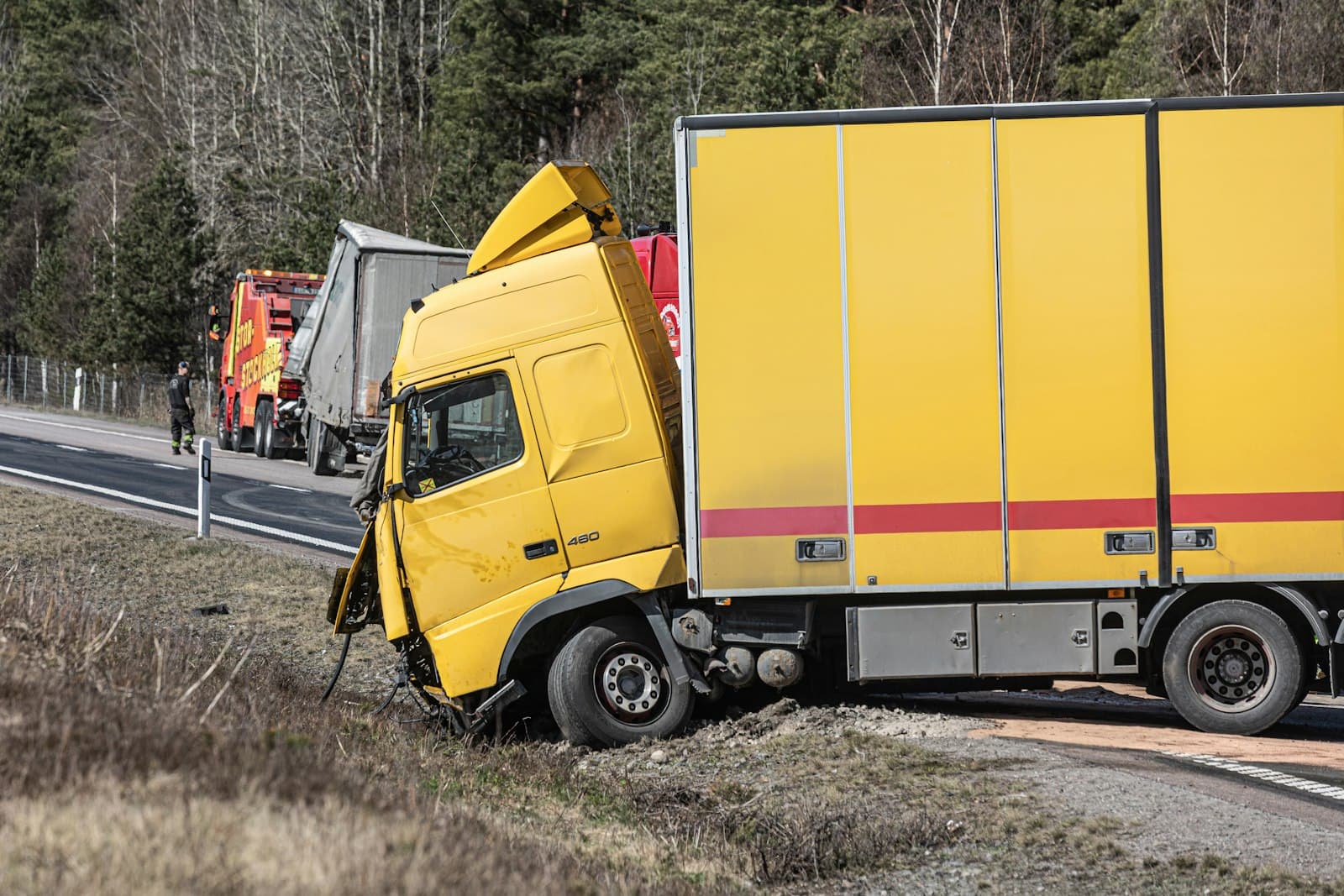
The Evidence That Disappears First
Commercial vehicles generate a great deal of data, and almost none of it is kept indefinitely. Retention periods are measured in weeks and months, and material that is not preserved gets overwritten or discarded in the ordinary course. When a duty to preserve arises, and what it covers, is its own question, but not one worth leaving to argument later. A written demand to preserve, sent early and specifying what is wanted, is often the difference between a documented case and one argued from recollection.
- Electronic logging device records, which show hours of service and whether the driver should have been on the road
- Engine control module and telematics data: speed, braking, throttle position in the seconds before impact
- Dashcam and forward-facing camera footage, frequently overwritten within days
- The driver qualification file, including licensing, medical certification, and prior violations
- Maintenance and inspection records for the tractor and the trailer
- Bills of lading and loading records, where a shifting or overweight load is in question
- Drug and alcohol testing records taken after the collision
What the Safety Rules Add to a Claim
Interstate carriers operate under the Federal Motor Carrier Safety Regulations, and California applies its own rules to intrastate carriers. These cover hours of service, rest, vehicle inspection and maintenance, driver qualification, and cargo securement.
Where a violation of one of those rules caused exactly the kind of harm the rule exists to prevent, negligence can be presumed rather than argued from scratch. That shifts the work of the case: rather than establishing that a driver was careless, the question becomes whether the records show the rule was followed.

Responsibility Beyond the Driver
A carrier is generally responsible for its driver acting in the course of employment. It can also be responsible for its own conduct, separately from the driver’s, and that is often the more substantial claim.
- Negligent hiring, where the driving record should have disqualified the driver
- Negligent training and supervision
- Negligent retention, where earlier incidents were on file and nothing changed
- Schedules that could not be met without exceeding hours-of-service limits
- Deferred maintenance on brakes, tires, or coupling equipment
- Improper loading by a shipper or a third-party loading company
What a Claim Can Recover
California recognizes two kinds of loss, and a serious truck claim usually involves both. Economic losses can be added up from records. Non-economic losses cannot, which does not make them smaller. In a catastrophic injury they are frequently the larger figure.
Losses with receipts
- Medical treatment already received
- Treatment reasonably expected in future
- Income lost while unable to work
- Reduced ability to earn a living going forward
- Vehicle damage, and the cost of a replacement while it is repaired
- Out-of-pocket costs the injury forced on you
Losses without them
- Physical pain, during recovery and after it
- Emotional distress and its effects on daily life
- Disfigurement and permanent scarring
- Loss of enjoyment of the things you did before
- Loss of consortium, claimed by a spouse or domestic partner