

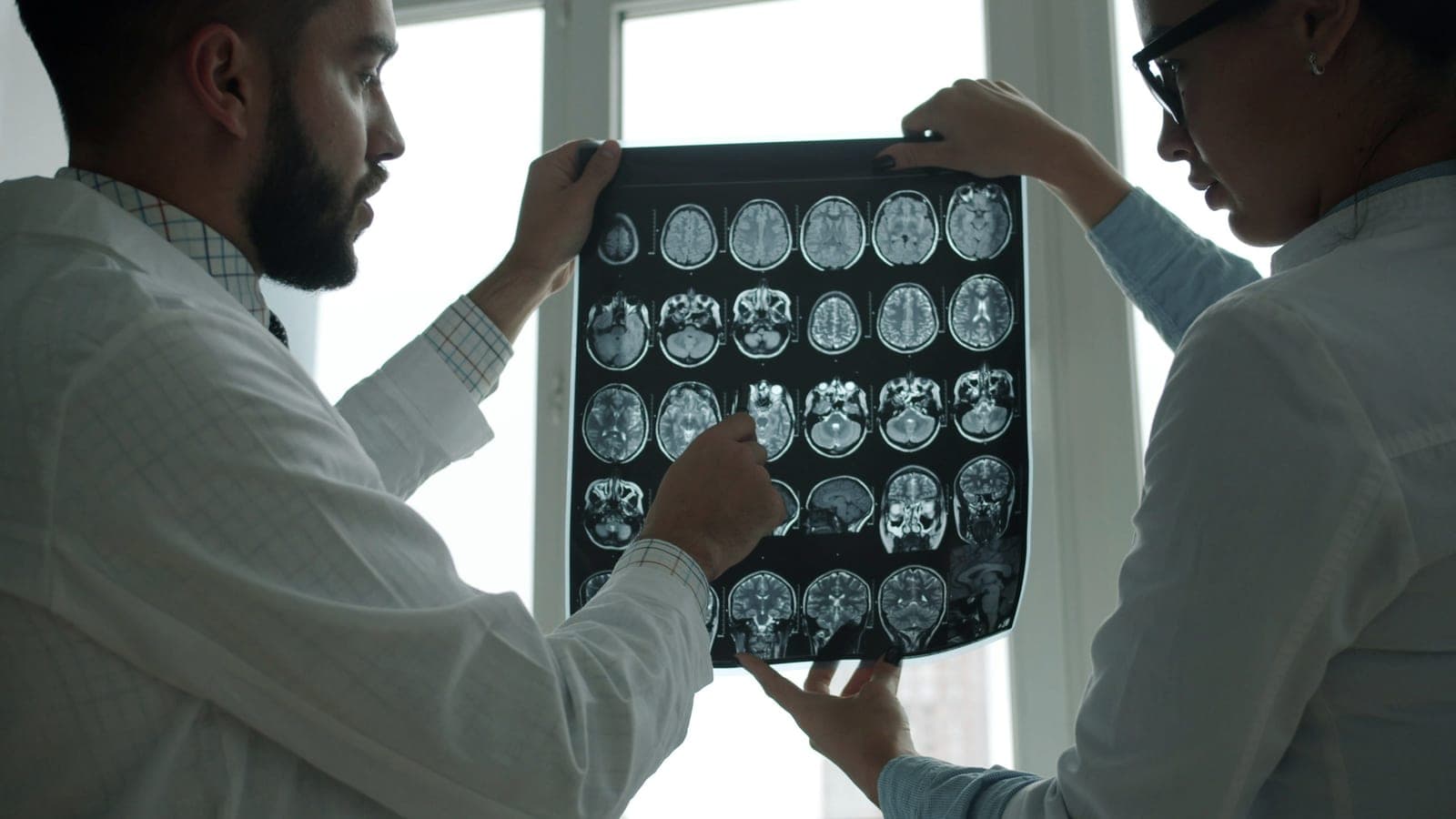
The hardest part of a brain injury claim is frequently that the imaging looks normal. A scan can be unremarkable while the person it belongs to cannot hold a schedule, follow a conversation in a busy room, or do the job they had a month earlier.
What answers that is functional evidence rather than a picture: neuropsychological testing, work and school records, and the accounts of people who knew the person before. Margossian Law represents people and families dealing with the consequences of brain and head injuries in California.
A Normal Scan Does Not Mean an Uninjured Brain
CT and standard MRI are built to find bleeding, swelling, and fracture. They are not built to find diffuse axonal injury, which is the damage most often behind a mild traumatic brain injury, and they routinely come back clean in people whose lives have measurably changed.
Insurers use that clean scan as though it were a finding of no injury. What answers it is neuropsychological testing against expected baselines, and a documented account of function before and after, which is evidence that has to be gathered deliberately rather than assembled afterward.
Documenting a Change Nobody Can See
The most persuasive record in a brain injury claim is usually not medical. It is the accumulated evidence of a life working differently.
- Performance reviews, corrected work, and reduced hours or responsibilities
- Accounts from family, colleagues, and friends describing specific changes rather than general ones
- A contemporaneous symptom diary: headaches, light and noise sensitivity, word-finding, fatigue
- Missed appointments, unpaid bills, and abandoned routines
- Withdrawal from activities and relationships that were part of ordinary life before
Most of the Loss Has Not Happened Yet
In a serious brain injury the bills already paid are usually a small fraction of the claim. The larger figures are future care, lost earning capacity over a working life, and the cost of support that family members are currently absorbing without being paid for it.
Establishing those requires expert work (life care planning, vocational assessment, economic analysis), and it takes time. It is also why settling before the picture has stabilized is particularly costly here: cognitive, emotional, and behavioral effects can take many months to declare themselves.
How Long You Have
Two deadlines govern most injury claims in California, and they are nothing like each other in length. Which of them applies to a brain injury follows from what caused it rather than from the diagnosis: a collision, a fall on premises someone else controls, a defective product, and an incident involving a public agency are each on their own clock. The short one is what catches people out, because a head injury under investigation gives no sign that a shorter period is already running.
6 months
To present a claim against a public entity
2 years
To file suit in most other cases