

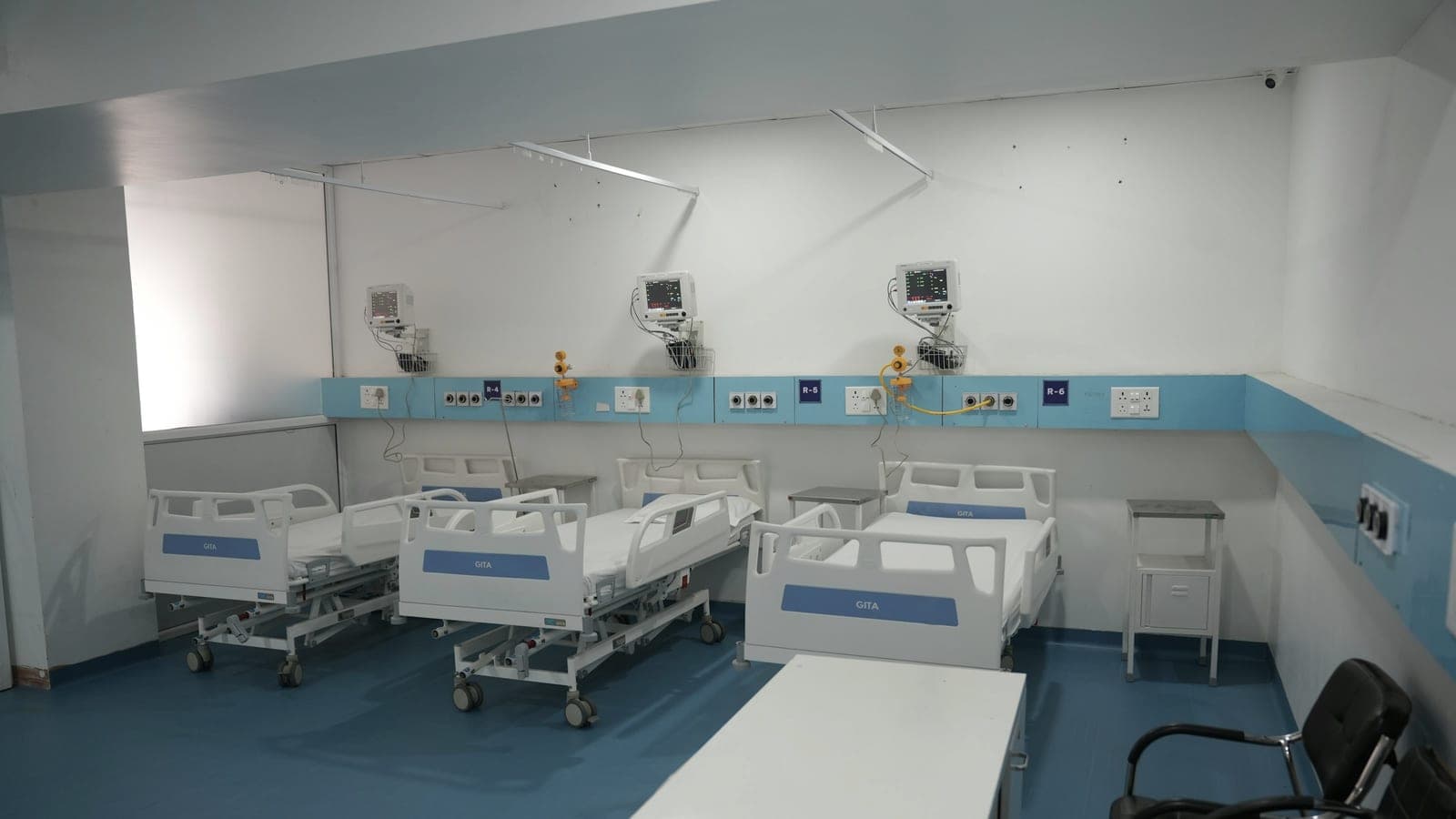
A catastrophic injury is not simply a severe one. It is an injury whose costs keep running for the rest of a life, which makes the central question what the coming decades will require rather than what the last six months have cost.
That is answered with a life-care plan, an economic analysis of lost earning capacity, and a deliberate search for every policy that could contribute, because a single primary policy rarely reaches a number of this size. Margossian Law represents individuals and families dealing with catastrophic injuries in California.
Valuing a Lifetime Rather Than an Episode
In an ordinary injury claim the medical bills are the spine of the case. In a catastrophic one they are the opening entry. Paralysis, amputation, severe brain injury, and major burns generate costs that continue for decades: attendant care, equipment replaced on a cycle, home and vehicle modification, medication, and the surgeries that follow the first ones.
Establishing that properly takes a life care plan built by clinicians, a vocational assessment of what work is still possible, and an economist to bring decades of future cost to a present value. It is slow work, and it is the difference between a settlement that covers the next few years and one that covers a life.
Finding Enough Cover
The most common reason a catastrophic claim resolves for less than it is worth is not that the injury was undervalued. It is that nobody found enough insurance.
- Every potentially responsible party, not only the obvious one
- Employers, where a driver was working at the time
- Vehicle owners distinct from the driver, and commercial policies behind them
- Property owners, contractors, and subcontractors on a premises claim
- Product manufacturers and component suppliers
- Umbrella and excess policies sitting above primary coverage
- Uninsured and underinsured motorist coverage on every policy in the household
How Long You Have
Two deadlines govern most injury claims in California, and they are nothing like each other in length. A catastrophic injury has no deadline of its own. The applicable period follows the underlying cause. A case of this size frequently has more than one: a driver, a premises owner, a product manufacturer, an employer’s third party, and a public agency can all be in the same file, on different clocks, while the medical picture is still being established.
6 months
To present a claim against a public entity
2 years
To file suit in most other cases
The Family Has Claims of Its Own
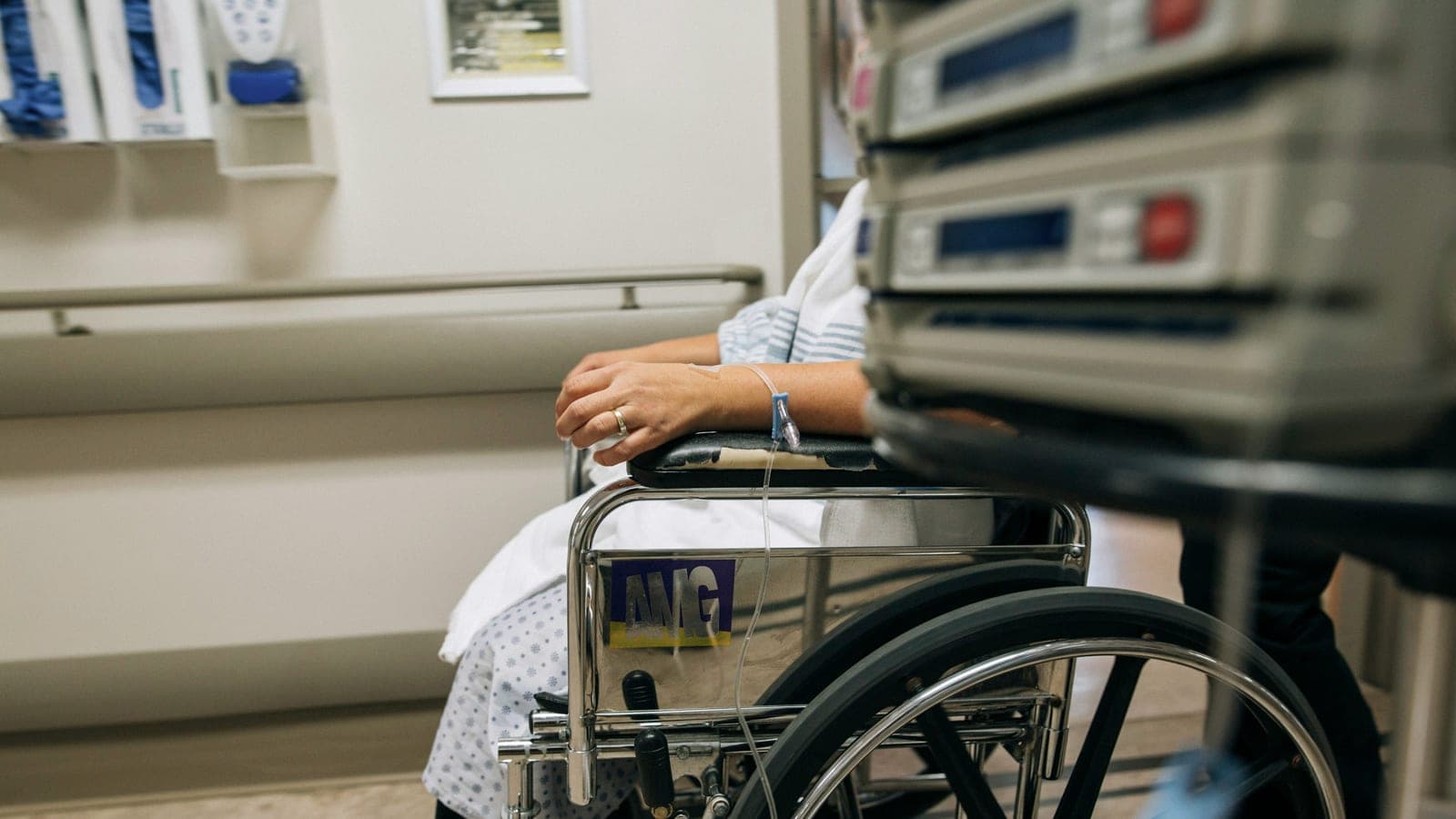
A catastrophic injury reorganizes a household. A spouse or domestic partner may bring a claim for loss of consortium in their own right. Family members frequently become unpaid caregivers, giving up work or hours to do it, and the value of that care is part of the loss rather than a favor that goes unrecorded.
What a Claim Can Recover
California recognizes two kinds of loss. In a catastrophic case the economic side is largely a projection rather than a tally: decades of care and earnings that have not happened yet, valued by people qualified to estimate them. The non-economic side covers what the injury took that no plan can price.
Losses with receipts
- Medical treatment already received
- Lifetime care and treatment set out in a life-care plan
- Income lost while unable to work
- Reduced ability to earn a living going forward
- Home and vehicle modifications the injury requires
- Attendant and personal care, whether paid for or provided by family
Losses without them
- Physical pain, during recovery and after it
- Emotional distress and its effects on daily life
- Disfigurement and permanent scarring
- Loss of the activities, work, and independence that made up the life before
- Loss of consortium, claimed by a spouse or domestic partner