

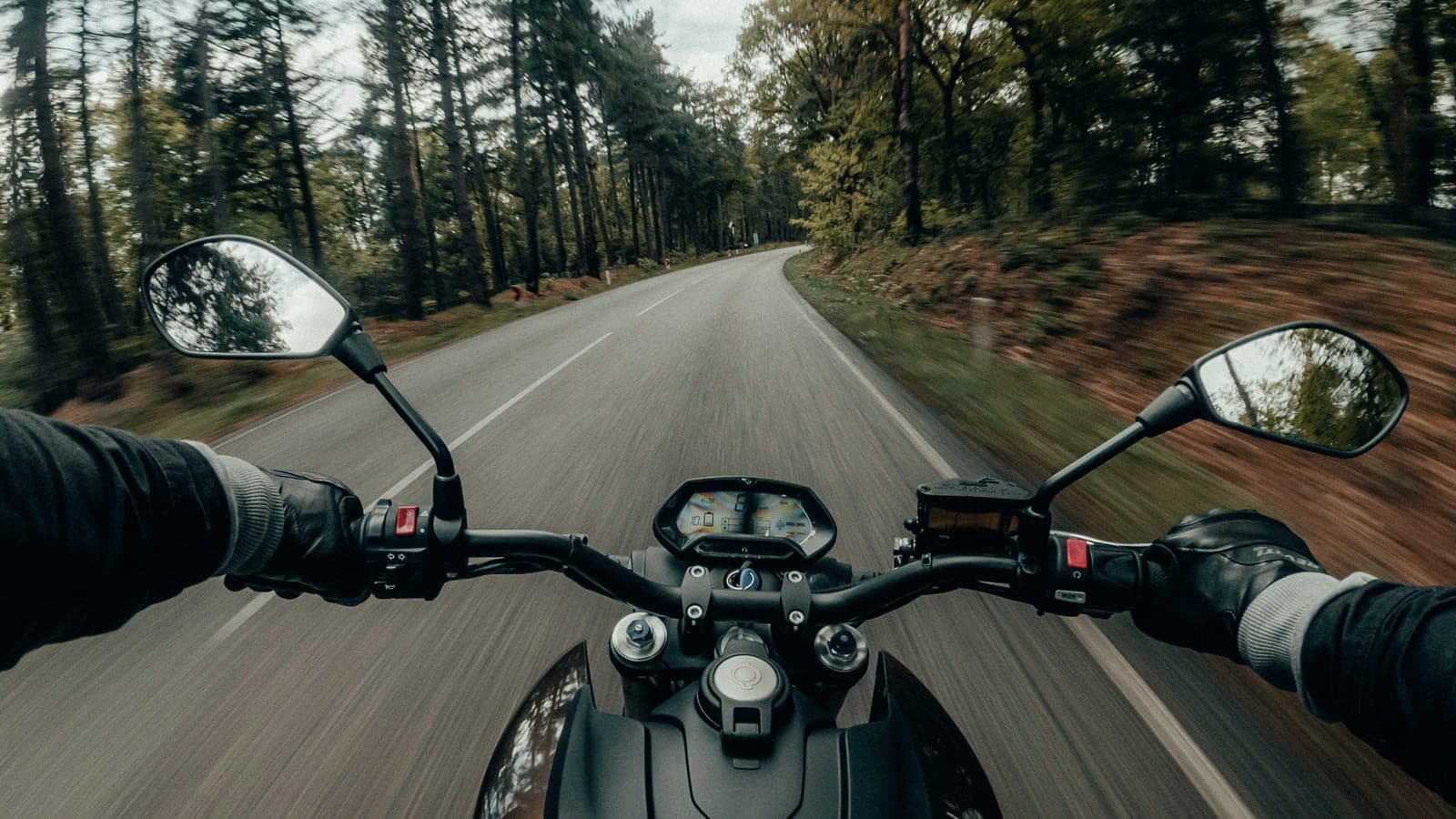
A motorcycle claim runs into two difficulties a car claim usually does not. The injuries are more severe for the same impact, and the rider arrives with an assumption to displace, that speed or recklessness must have had something to do with it.
Both are answered with evidence rather than assertion. Margossian Law represents injured riders in California, including on the coverage questions that decide these cases when a minimum-limits policy will not reach the losses.
The Same Collision, a Worse Outcome
A rider has no cage, no crumple zone, no airbag and no seatbelt. An impact a driver walks away from puts a motorcyclist on the road, and the injuries that follow (orthopedic trauma, road rash requiring grafts, head and spinal injury) are more severe, take longer to treat, and cost more to live with.
That difference matters to the claim as well as the recovery. Serious injuries exhaust minimum liability limits quickly, so identifying every available policy, including uninsured and underinsured motorist coverage on your own, is often what determines whether a recovery reflects the harm.
How Long You Have
Two deadlines govern most injury claims in California, and they are nothing like each other in length, and the short one reaches motorcycle cases through road condition as often as through vehicles. A surface defect, a gravel spill, or an unmarked change in grade that a car simply absorbs can put a motorcycle down, and where the road is maintained by a public agency a far shorter claim period applies.
6 months
To present a claim against a public entity
2 years
To file suit in most other cases
Lane Splitting Is Legal in California
Lane splitting is expressly addressed by California law, and the fact that a rider was doing it is not, by itself, negligence. Insurers nevertheless raise it as though it settled the question, along with assumptions about speed and risk-taking that the evidence often does not support.
Those assumptions are answered the same way any other liability dispute is: with the physical record. Damage geometry, resting positions, sight lines, and available camera or event data say what happened. What the adjuster assumes about people who ride motorcycles does not.
Helmet Use and Partial Fault
California requires helmet use, and riding without one can be raised as comparative fault. That reduces a recovery in proportion to the share of responsibility rather than barring it, and it is only relevant to injuries a helmet would actually have affected. It has no bearing on a broken leg.