

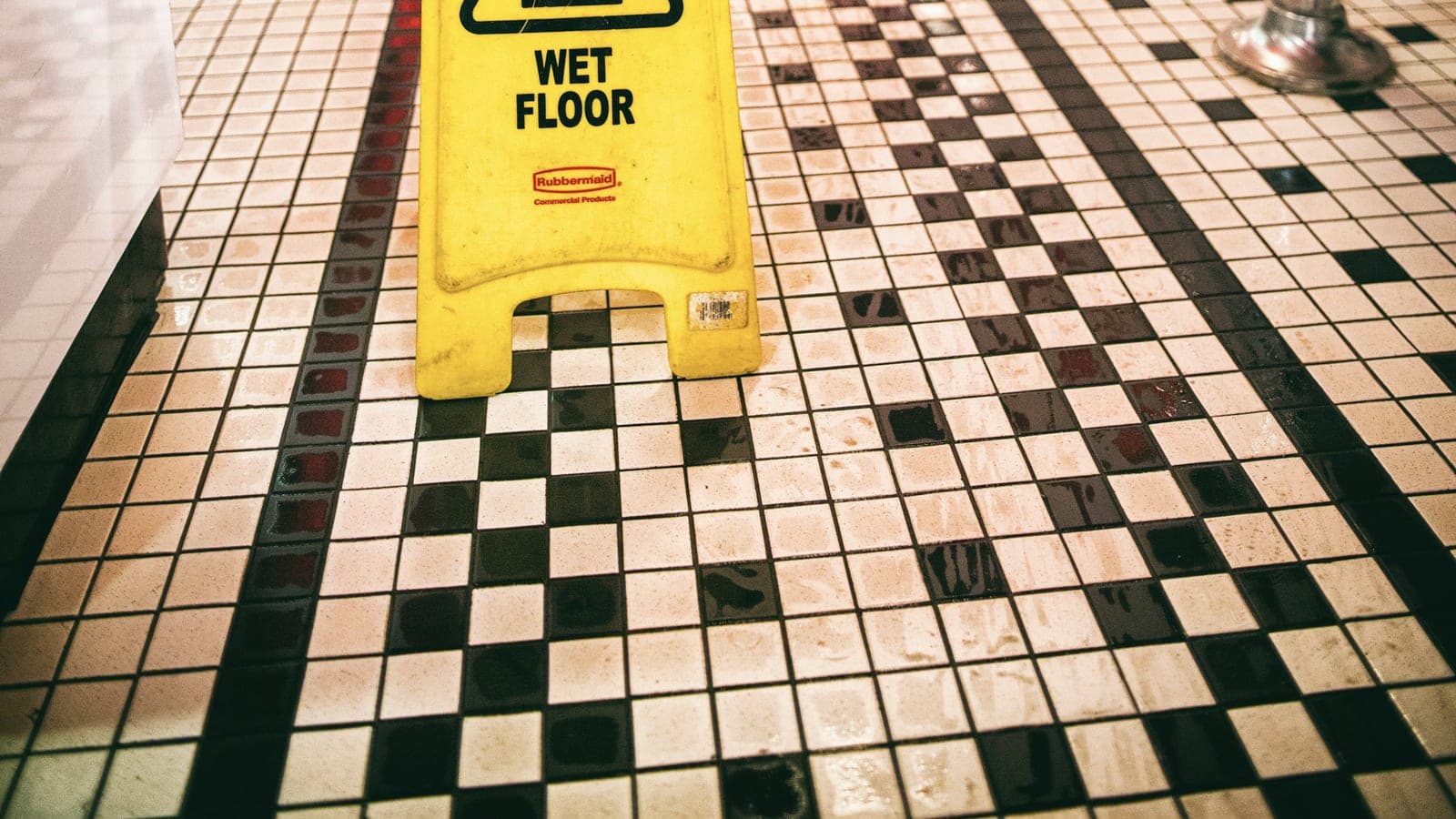
Slip and fall accidents can cause far more serious injuries than many people expect. Broken bones, head injuries, internal injuries, and other complications can lead to significant medical expenses, time away from work, and lasting pain.
These claims are usually contested on notice, meaning whether the property owner knew or should have known about the hazard. That makes inspection records, maintenance logs, and surveillance footage decisive, and makes how quickly they are requested decisive with them. Margossian Law represents people injured by unsafe conditions on property in California.
What Has to Be Proven
A property owner in California owes a duty of reasonable care to people lawfully on the property. Establishing a claim generally requires showing four things:
- A dangerous condition existed on the property
- The owner or occupier created it, knew about it, or should have discovered it through reasonable inspection
- They failed to fix it, or to warn about it, within a reasonable time
- That failure caused your injury

Notice Is Where These Cases Are Won and Lost
The middle element carries most of the weight. A spill that occurred sixty seconds before you walked through it is usually not actionable; the same spill left for two hours generally is. Defendants know this, which is why the first thing sought in discovery is how long the hazard was present.
Constructive notice, meaning what the owner should have found, is often established through inspection records rather than eyewitnesses. Where a business has a written sweep or inspection policy and cannot show it was followed, that gap can be as persuasive as direct evidence.
The Evidence Disappears Quickly
Spills get mopped, broken handrails get repaired, and surveillance footage is commonly overwritten on a rolling cycle measured in days or weeks. Much of the value of acting early is simply preserving what still exists.
- 01
Report Immediately
Ask for an incident report before you leave, and request a copy. A fall nobody recorded is a fall the occupier can say never happened.
- 02
Document The Hazard
Photograph the exact condition that caused the fall, whether it was a spill, broken step, poor lighting, missing warning sign, or another unsafe condition, before it is cleaned up or repaired.
- 03
Obtain Witness Information
Collect the names and contact information of anyone who saw the fall or noticed the dangerous condition beforehand. Witnesses can be difficult to locate later on.
- 04
Contact Us
Contact us as soon as possible so we can help preserve evidence, obtain available surveillance footage, communicate with the responsible party, and protect your claim from the start.
Common Defenses, and What Answers Them
Expect to hear that the hazard was open and obvious, that you were distracted, that your footwear was unsuitable, or that the injury pre-existed the fall. California’s pure comparative negligence rule means that even if some of this is accepted, it reduces recovery proportionally rather than defeating the claim.
The open-and-obvious argument in particular has limits: a hazard being visible does not discharge the owner’s duty where it was foreseeable that someone would encounter it anyway. A wet floor across the only route to the exit is one example.
Falls on Public Property Follow Different Rules
A fall on a public sidewalk, in a government building, or on transit property is governed by separate statutory rules with a substantially shorter deadline. A written claim to the public entity is generally required within six months of the injury, and the standard for establishing a dangerous condition of public property differs from the ordinary negligence standard. If the location might be publicly owned, that is worth establishing immediately.
6 months
To present a claim against a public entity
2 years
To file suit in most other cases