

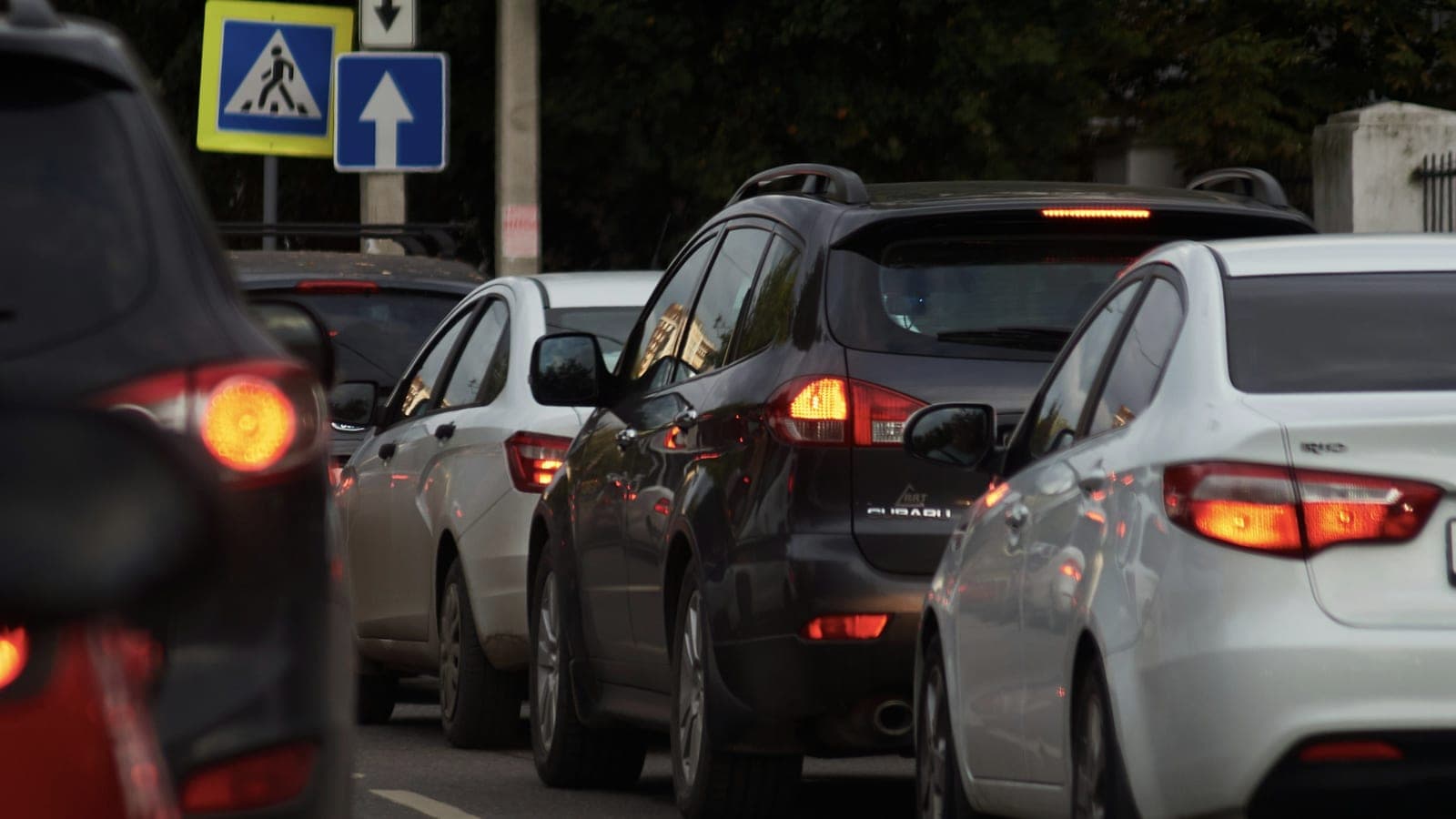
A rear-end collision is usually among the easier cases in which to establish responsibility and among the harder ones to have valued properly. The disagreement moves quickly off who was at fault and onto whether an impact of that size could have caused the injury being claimed.
That argument is made through the damage to the vehicles, the interval between the collision and the first treatment, and the medical record that follows. Margossian Law represents people injured in rear-end collisions in California.
Being Hit From Behind Is Not the Same as Winning
California requires a driver to leave enough distance to stop safely, so the following driver is usually found responsible for a rear-end collision. That is close to a starting presumption, and it is why these claims are treated as simple.
It is a starting point rather than a conclusion. It can be answered by a sudden unsafe lane change in front, brake lights that were not working, a vehicle stopped in a live lane without hazards, or a chain reaction in which the car behind was itself struck first. What it does mean is that the argument in a rear-end case usually moves off liability almost immediately and onto the value of the injury, which is the part that turns on medical records, treatment history, and the documented consequences of the injury rather than on what happened at the intersection.
How Long You Have
Two deadlines govern most injury claims in California, and they are nothing like each other in length, and rear-end cases reach the short one through the vehicle that did the hitting. A transit bus, a municipal truck, or any other publicly owned vehicle puts a far shorter claim period in play, and nothing about an otherwise ordinary rear-end collision announces it.
6 months
To present a claim against a public entity
2 years
To file suit in most other cases
“Minor Damage” Does Not Mean Minor Injury
Insurers commonly use the repair estimate as a proxy for injury severity, and will argue that a low-speed impact could not have caused a disc injury. Modern bumpers are designed to absorb impact specifically to protect the vehicle, and the correlation between visible vehicle damage and occupant injury is far weaker than that argument assumes.
What answers it is contemporaneous medical documentation: treatment sought early, symptoms described consistently to each provider, and imaging where it is warranted. Delayed onset is ordinary with soft-tissue and disc injuries. It is a reason to be seen, not a reason to wait.
What a Claim Can Recover
California recognizes two kinds of loss. Economic losses can be added up from records, which in a rear-end case is where an insurer prefers to keep the conversation. Non-economic losses cannot be added up, and in an injury that outlasts the treatment they are frequently the larger figure.
Losses with receipts
- Medical treatment already received
- Treatment reasonably expected in future
- Income lost while unable to work
- Reduced ability to earn a living going forward
- Repair or replacement of the vehicle, and its loss in value
- Out-of-pocket costs the injury forced on you
Losses without them
- Physical pain, during recovery and after it
- Emotional distress and its effects on daily life
- Disfigurement and permanent scarring
- Loss of enjoyment of the things you did before
- Loss of consortium, claimed by a spouse or domestic partner