
Damage to your property does not always come from a storm, fire, or plumbing failure. Sometimes another person, business, contractor, or neighboring property is responsible. These claims can become complicated when multiple parties and insurance policies are involved.
Margossian Law works to determine who is responsible, identify the available sources of coverage, and pursue recovery for the full extent of the damage. When insurers delay, dispute responsibility, or attempt to shift blame, we work to move the claim forward and protect the property owner’s interests.
Common Third-Party Property Damage Claims
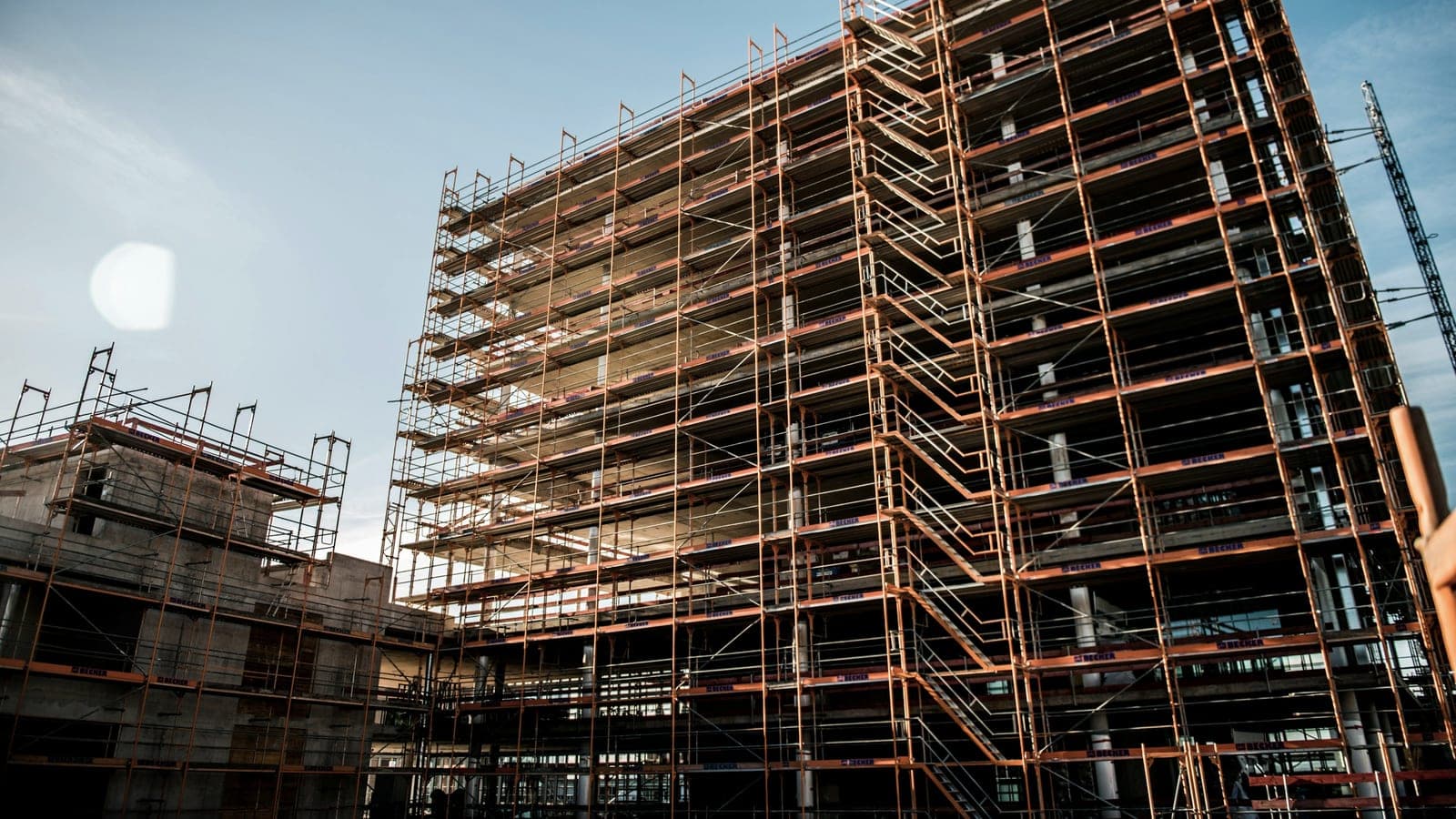
- Damage caused by neighboring construction or heavy equipment
- Fires or structural failures originating from nearby properties
- Trees, building materials, or other objects falling onto your property
- Cars and trucks striking homes, businesses, walls, or other structures
- Property damage involving hit-and-run or impaired drivers
- Damage caused by drones, aircraft, or other falling debris
- Claims involving multiple responsible parties or insurance policies
- Delayed, disputed, or improperly handled coverage claims
Two Routes, and They Are Not Exclusive
When someone else damages your property you can usually claim on your own policy, pursue the responsible party, or do both. Each route has a cost. Your own insurer will normally pay faster, then pursue the other side itself to recover what it paid, including your deductible if it succeeds. Going directly against the responsible party avoids a claim on your record but moves at the speed of their insurer’s investigation.
Which makes sense depends on your deductible, the coverage you hold, how clear responsibility is, and how urgently the repair has to happen. It is a decision worth making deliberately at the start rather than by default.
Establishing Who Is Responsible
These claims stall on causation far more often than on coverage. Where several parties were working on or near a site, each has an incentive to attribute the damage to another, and the resulting standoff can outlast the evidence.
- Origin and cause analysis, where a fire or a failure spread from a neighboring property
- Engineering assessment, where excavation, vibration, or dewatering undermined a structure
- Permit and inspection records for the work next door
- Contracts and subcontracts identifying who was responsible for what, and who indemnified whom
- Site photographs and survey records from before the work began
- Witness accounts taken while the sequence is still fresh
More Than One Policy Is Usually in Play
A neighboring construction claim can involve the property owner’s policy, the general contractor’s liability coverage, a subcontractor’s policy, and a design professional’s errors and omissions coverage, each with different limits and different exclusions.
Identifying every available source early is what determines whether a recovery reflects the damage. It is also what prevents the common outcome in which a single under-insured contractor is pursued to exhaustion while better-covered parties are never brought in.