

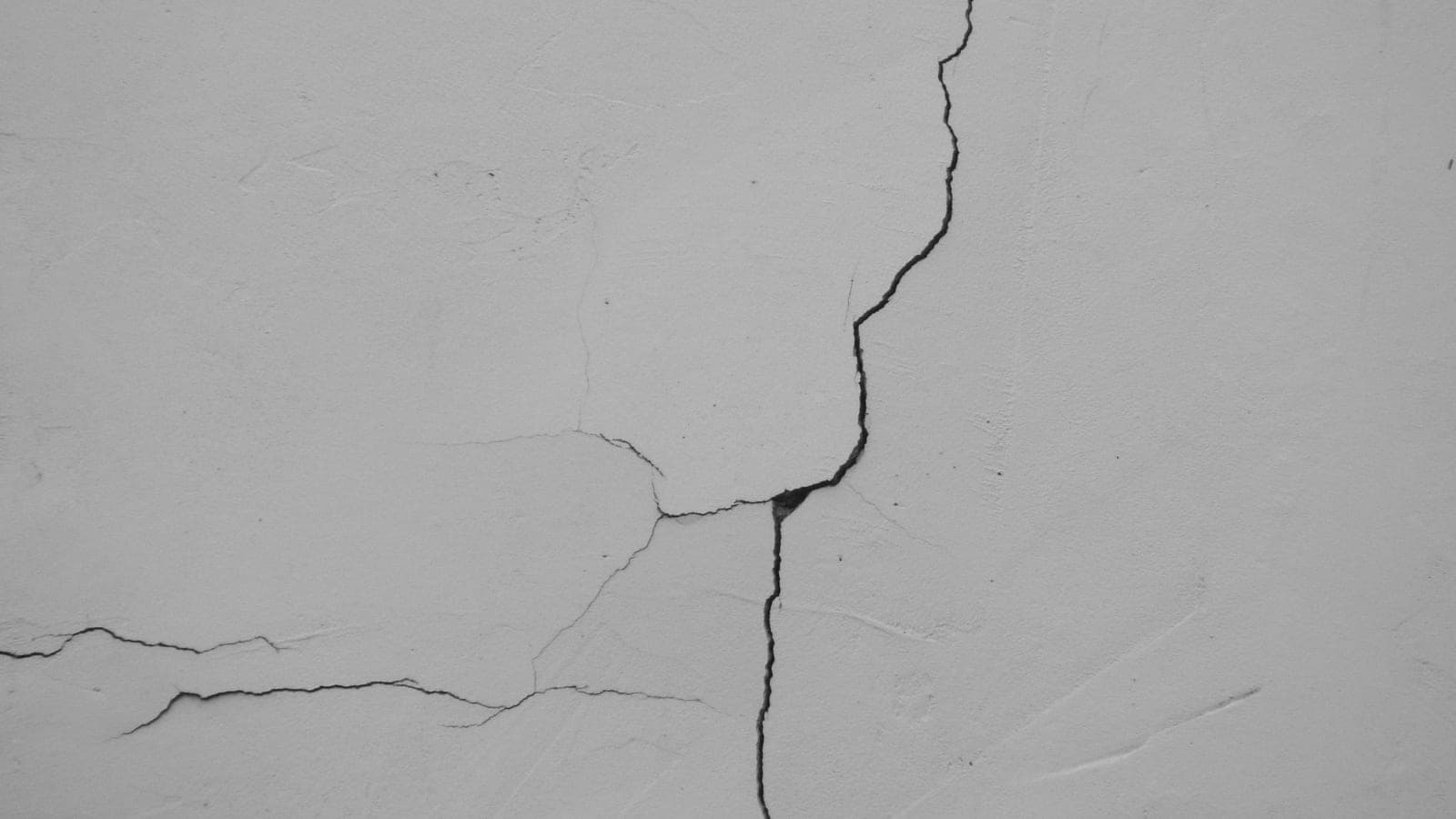
California property owners live with the reality that a major earthquake can strike with little warning. The damage can be immediate, but it can also develop beneath the surface through foundation movement, structural shifting, cracked masonry, and other failures that are not always obvious at first.
Earthquake coverage is often separate from a standard homeowners policy, and when a claim is made, disputes can arise over deductibles, reporting requirements, the extent of structural damage, or whether damage existed before the seismic event. Margossian Law represents policyholders in earthquake-related claims and works to ensure covered losses are properly investigated, documented, and pursued.
Earthquake Coverage Is a Separate Purchase
A standard California homeowners policy excludes earth movement. Cover comes either from a California Earthquake Authority policy sold through your existing insurer, or from a private earthquake policy, and the two are not the same product. Before anything else in a claim can be assessed, it is worth confirming which one you actually hold and what it says.
Insurers writing residential property in California are required to offer earthquake coverage, which means many policyholders were offered it and declined in writing years ago and no longer remember doing so. It is worth checking rather than assuming either way.
The Deductible Is Where Most Disputes Start
Earthquake deductibles are not flat sums. They are calculated as a percentage of the insured value of the property, so on a well-insured home the deductible is often a six-figure number, and a claim that would be substantial under any other policy can be argued into nothing.
How the deductible is applied matters as much as its size. Whether it runs against the dwelling alone or against each covered structure, whether contents and additional living expenses sit inside or outside it, and how the insured value was set in the first place, are all points on which reasonable readings of the policy differ.
Damage That Does Not Announce Itself
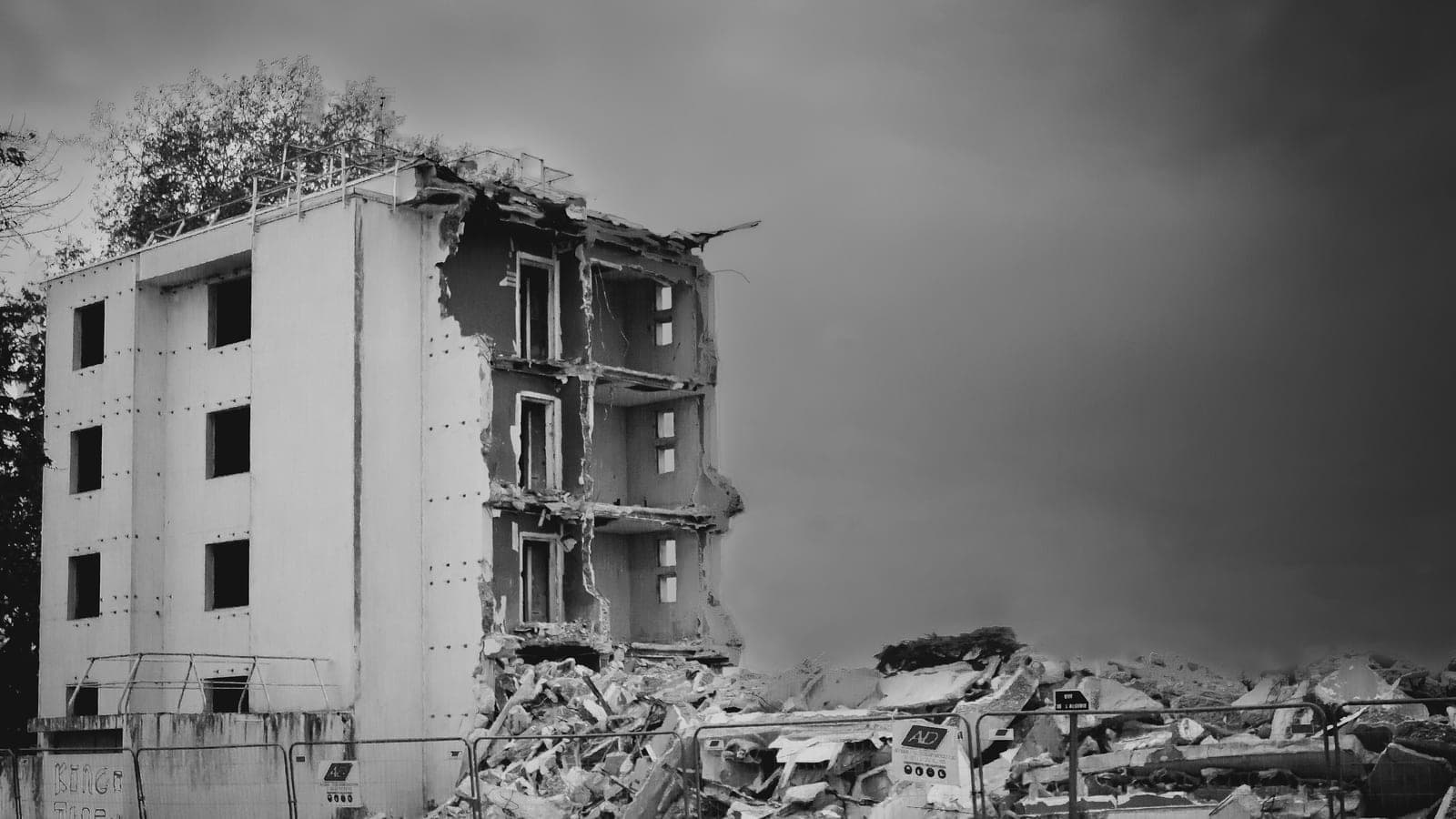
Seismic damage is frequently structural before it is visible. A building can shift on its foundation, lose connections between framing members, or crack inside a wall cavity while the finished surfaces look almost untouched. Months later the doors stop closing and the floors are out of level.
This is why an early engineering assessment matters more here than in most property claims. A visual inspection records what can be seen; the question in an earthquake claim is usually what cannot.
Covered, Contested, and Excluded
The lines below are typical rather than universal. Your policy governs, and the endorsements attached to it frequently move items from one column to another.
Usually covered
- Structural damage to the dwelling caused by the shaking
- Foundation cracking and displacement
- Chimney and masonry failure
- Damage to interior finishes and building systems
- Debris removal
- Additional living expenses while the property is uninhabitable
Commonly disputed or excluded
- Damage characterized as cosmetic rather than structural
- Pre-existing settlement or deterioration blamed for the loss
- Landslide, subsidence, and other earth movement outside the policy
- Swimming pools, hardscape, and detached structures
- Building code upgrades, unless the policy adds them
- Damage reported outside the policy’s notice period
What Matters Early in an Earthquake Claim
Earthquake damage is not always immediately apparent, and repairs can make it harder to document the full loss. Early review can help preserve evidence and identify coverage issues.
Condition of the Property
Photographs, video, and other documentation can help preserve the condition of the property before repairs begin, including damage that may not be visible in the main living areas.
Timing of the Claim
Earthquake policies may contain notice requirements and other time-sensitive provisions. Those issues should be identified early rather than assumed.
Costs Caused by the Loss
Records of temporary repairs, housing, storage, and other expenses can become part of documenting the full impact of the damage.
Policy and Claim Documents
The complete policy, endorsements, claim correspondence, and other records may affect how coverage and the scope of the loss are evaluated.
Structural and Engineering Issues
Disputes can arise over whether damage is structural, cosmetic, preexisting, or earthquake-related. Independent evaluation may become important when those issues are contested.
Early review can help identify what should be documented, what deadlines may apply, and what issues need closer attention before the claim develops further.